What Is a Fire Door Inspection?
29 Jul 2026 | By Ron Fellowes MIFSM, GIFireE, CertNCRQ
Fire doors can deteriorate over time without obvious signs of damage, creating compliance and safety risks. Learn what a fire door inspection is, when it should be arranged, and how it helps Responsible Persons manage fire safety across residential buildings.
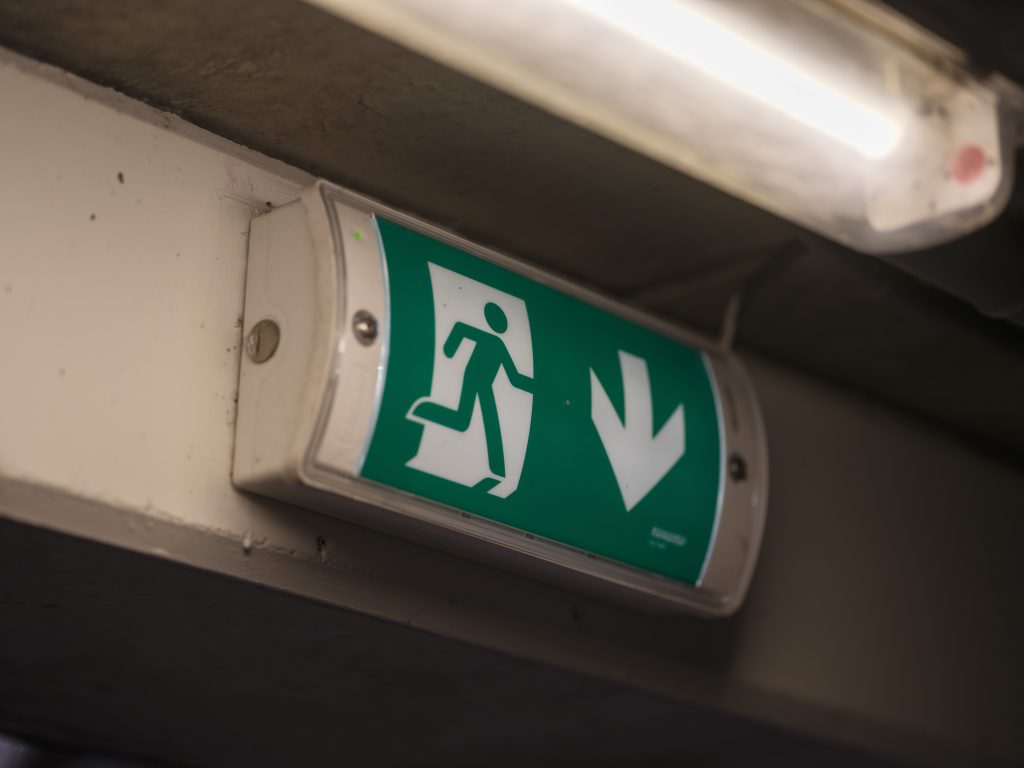
Fire doors are only effective if they continue to perform as intended throughout the life of a building. However, wear and tear, poor maintenance, refurbishment works, and unauthorised alterations can all affect their ability to resist the spread of fire and smoke.
Housing associations, managing agents, and Responsible Persons use fire door inspections to identify defects, prioritise remedial works, and demonstrate compliance.
This guide explains what a fire door inspection is, who needs one, when inspections are required, and how they support compliance across residential portfolios.
What Does a Fire Door Inspection Achieve?
A fire door inspection provides Responsible Persons with an independent assessment of whether fire doors continue to perform their intended role within a building’s fire safety strategy.
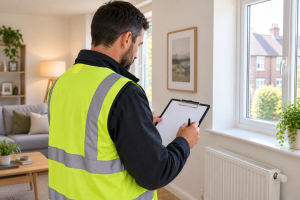
The inspection is carried out by a competent person who assesses whether fire door assemblies continue to provide the level of fire resistance expected within the building. Where defects are identified, the inspection provides a clear basis for prioritising remedial works and maintaining compliance.
The findings help organisations prioritise remedial works, maintain effective passive fire protection, support planned maintenance programmes, and demonstrate ongoing compliance with fire safety legislation.
Which Buildings Require Fire Door Inspections?
Fire door inspections are not required in every residential property. The need for routine inspections depends on the building type, occupancy arrangements, and the role fire doors play within the building’s fire safety strategy.
Properties that commonly require routine fire door inspections include:
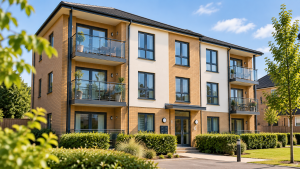
- Blocks of flats and apartment buildings
- Houses in Multiple Occupation (HMOs)
- Higher-risk residential buildings
- Supported housing schemes
- Residential developments with communal areas
In England, the Fire Safety Act 2021 and the Fire Safety (England) Regulations 2022 introduced specific inspection requirements for communal fire doors and flat entrance doors in certain multi-occupied residential buildings. Housing associations, managing agents, and Responsible Persons should understand how these requirements apply to their buildings when planning inspection and maintenance programmes.
Who Is Responsible for Arranging Fire Door Inspections?
Although inspections are typically carried out by a competent fire safety specialist, responsibility for ensuring they take place sits with the Responsible Person.
Depending on the building, this may be:
- The freeholder
- A managing agent
- A housing association
- A residential management company
- A landlord responsible for the common parts
The Responsible Person must also ensure identified remedial works are completed within appropriate timescales.
When Should You Arrange a Fire Door Inspection?
Fire door inspections should form part of a planned fire safety management programme rather than being carried out only when problems are suspected. Taking a proactive approach helps organisations identify defects before they become compliance issues and supports ongoing maintenance planning.
A fire door inspection may be appropriate:
- As part of a routine inspection programme
- Following a Fire Risk Assessment that identifies concerns
- After refurbishment works or alterations affecting fire doors
- Before acquiring or taking over the management of a residential building
- Following significant damage or a fire-related incident
- Where defects have been reported during routine maintenance or resident inspections
Organisations managing multiple residential buildings should schedule fire door inspections as part of a wider compliance programme to maintain consistent standards across their portfolio.
What Are the Legal Requirements for Fire Door Inspections?
Fire door inspections form part of a Responsible Person’s wider legal duties to maintain effective fire safety measures.
England and Wales
Under the Regulatory Reform (Fire Safety) Order 2005, Responsible Persons must maintain appropriate fire precautions where the legislation applies. This includes fire doors that protect escape routes and help prevent the spread of fire and smoke.
The Fire Safety Act 2021 clarified that, where relevant, flat entrance doors and external wall systems form part of the fire risk assessment process. The Fire Safety (England) Regulations 2022 introduced additional duties for certain multi-occupied residential buildings, including quarterly inspections of communal fire doors in buildings over 11 metres and annual inspections of flat entrance doors opening onto communal areas.
Scotland
Fire safety duties in Scotland are governed by the Fire (Scotland) Act 2005 and the Fire Safety (Scotland) Regulations 2006. Although the legislative framework differs from England and Wales, duty holders must ensure fire safety measures, including fire doors, are properly maintained and remain effective.
Need a Fire Door Inspection?
Osterna supports housing associations, managing agents, and large private landlords with professional fire door inspection services across the UK. Our inspections help organisations identify defects, prioritise remedial works, and demonstrate compliance with current fire safety legislation.
How Do Fire Door Inspections Support Fire Risk Assessments?
Fire door inspections and Fire Risk Assessments often get treated as interchangeable, but they do different jobs.
A Fire Risk Assessment looks at the building as a whole – hazards, occupant risk, and whether existing precautions still hold up. Fire doors are part of that picture, but only part of it. If the assessor flags a concern (doors that look tired, missing certification, signs of unauthorised alteration), that’s usually the trigger for a closer look.
That closer look is the fire door inspection. It’s narrower by design: every door assembly checked individually – frame, seals, hinges, closer, glazing – to confirm it will still perform if it’s ever called on.
Neither one replaces the other. The Fire Risk Assessment tells you where to look; the fire door inspection tells you what’s actually there. Together, they give Responsible Persons a much stronger evidence base than either would alone — and a clearer paper trail if that evidence is ever needed.
What Happens After a Fire Door Inspection?
Once the inspection has been completed, you’ll receive a report detailing the condition of each fire door and any defects that require attention. The report helps Responsible Persons understand which issues need immediate action, which can be addressed through planned maintenance, and how the findings affect ongoing compliance.
A professional inspection report will typically:
- Record the fire doors inspected
- Identify defects affecting fire-resisting performance
- Prioritise remedial works according to the level of risk
- Include photographic evidence where appropriate
- Provide an auditable record for future inspections and compliance reviews
Where defects are identified, Responsible Persons should arrange appropriate remedial works without unnecessary delay. Depending on the severity of the findings, this may involve repairing or replacing components, carrying out further investigations, or replacing the fire door assembly. Inspection records should then be retained and future inspections scheduled in line with the building’s fire safety arrangements.
Professional Fire Door Inspections for Residential Portfolios
A professional fire door inspection gives Responsible Persons the information needed to prioritise remedial works, plan maintenance, and demonstrate that passive fire protection is being effectively managed across their buildings.
If you are responsible for fire safety compliance across a residential portfolio and need an experienced provider, Osterna can help.
We work with housing associations, managing agents, and large private landlords across the UK, delivering fire door inspections, Fire Risk Assessments, asset testing, and building compliance services.
Get in touch with the Osterna team today.
Frequently Asked Questions
A fire door inspection is an assessment of a fire door assembly to determine whether it is likely to perform as intended in the event of a fire, helping to prevent the spread of fire and smoke and protect escape routes.
A fire door inspection involves checking that the door, frame, hardware, and associated components are in good condition and capable of performing as intended in the event of a fire. This typically includes assessing the condition of the door leaf, frame, hinges, seals, glazing, signage, self-closing devices, gaps, and overall operation.
Fire door inspections form part of a Responsible Person’s wider duties to maintain effective fire safety measures where fire safety legislation applies. In England, the Fire Safety (England) Regulations 2022 introduced specific inspection requirements for certain multi-occupied residential buildings, while other premises should adopt inspection programmes appropriate to their level of risk and legal responsibilities.
Inspection frequency depends on the type of building and the legislation that applies. Under the Fire Safety (England) Regulations 2022, communal fire doors in residential buildings over 11 metres should be inspected quarterly, while flat entrance doors opening onto communal areas should be inspected annually. Some buildings may require more frequent inspections based on risk and occupancy.
A formal fire door inspection should be carried out by a competent fire door inspector with appropriate training, knowledge, and experience of fire-resisting door assemblies. They should be able to identify defects that could affect fire performance and provide clear recommendations for any remedial works required.
Related articles
-
How Often Do Landlords Need to Renew Their EPC?
Expired EPCs can delay lettings and create avoidable compliance issues, particularly across larger residential portfolios. This article explains when landlords need a new EPC, when early renewal may be worthwhile, and how planned assessments can keep certificates up to date.
-
Who’s Responsible for the EPC – Landlord or Tenant?
Responsibility for obtaining and providing an Energy Performance Certificate (EPC) generally rests with the landlord. This article explains who pays for an EPC, who renews it, tenants’ responsibilities, and how landlords can maintain compliance with current EPC legislation.
-
Where Should Smoke Alarms Be Positioned?
Correct positioning of smoke alarms is essential for reliable fire detection and occupant protection. This guide explains where alarms should be installed, where they should be avoided, the legislation and Building Regulations that influence alarm positioning, and common installation mistakes.
-
Are Fire Risk Assessment Recommendations Mandatory?
Fire Risk Assessment recommendations are not automatically legal requirements, but they should never be dismissed as optional. Responsible Persons should prioritise and manage them and maintain compliance with UK fire safety legislation.
-
Fire Risk Assessment for Block Management
Fire Risk Assessments are a key part of managing fire safety in residential blocks. This guide explains who is responsible, what an assessment should cover and how managing agents and landlords should manage findings across their portfolios.
-
Fire Risk Assessment for High-Rise Buildings
Fire risk assessments for high-rise residential buildings must consider evacuation arrangements, external walls, communal areas and building-specific fire hazards. Assessments should cover and how property and compliance teams can manage findings across complex residential buildings.
-
Fire Risk Assessment for Student Accommodation
Student accommodation presents specific fire safety challenges, from shared kitchens and changing occupancy to evacuation and sleeping risk. A Fire Risk Assessment should cover how universities, landlords and accommodation providers should manage the findings.
-
How to Choose a Fire Risk Assessor
Choosing the right fire risk assessor is essential for effective fire safety management and ongoing compliance. This guide explains what makes a competent fire risk assessor, why experience and third-party certification matter, what questions to ask before appointing a provider, and how to identify a high-quality Fire Risk Assessment.
-
Smoke Vent Testing: A Compliance Guide for Responsible Persons
Smoke vent testing helps verify that Automatic Opening Vents (AOVs) and smoke control systems remain operational throughout the life of a building. This guide explains the legal requirements, British Standards, recommended testing frequencies, Responsible Person duties, and how planned inspection and maintenance support ongoing fire safety compliance.
-
Smoke Alarm Requirements for HMO Landlords
HMO smoke alarm requirements are more complex than those for standard rental properties. This guide explains how HMO fire alarm requirements differ, what landlords need to provide, and how to maintain fire safety compliance.