What Does a Fire Door Inspection Include?
29 Jul 2026 | By Ron Fellowes MIFSM, GIFireE, CertNCRQ
A fire door can appear compliant, while hidden defects reduce its ability to resist fire and smoke. Discover what a fire door inspection includes, what inspectors check, and how inspection findings help Responsible Persons prioritise remedial works and demonstrate compliance.
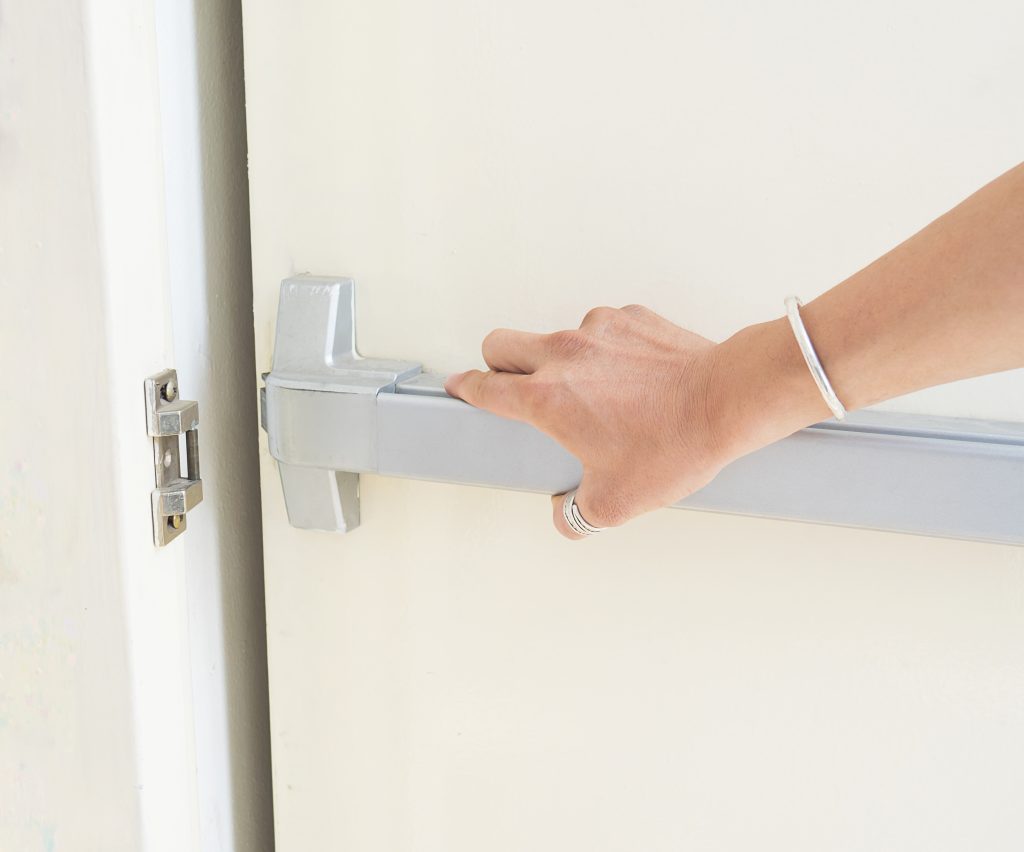
A fire door can appear to be in good condition while still failing to provide the level of fire resistance it was designed to achieve. Housing associations, managing agents, and Responsible Persons need to understand what is checked during a fire door inspection. It helps them identify defects, prioritise remedial works, and demonstrate ongoing compliance.
This article explains what inspectors assess, what a typical fire door inspection checklist includes, and how inspections support effective fire safety management.
What Is Checked During a Fire Door Inspection?
A fire door inspection assesses whether the complete door assembly is likely to perform as intended in the event of a fire. Rather than looking at individual components in isolation, inspectors consider how the door, frame, seals, glazing, and hardware work together to maintain fire resistance.
The findings provide Responsible Persons with a clear understanding of any defects present, the level of risk they pose, and the remedial actions required to maintain compliance.
Fire Door Inspection Checklist
Although every building is different, a professional fire door inspection will include the following checks.
| Inspection Area | What is Checked |
| Door leaf | Damage, distortion, unauthorised alterations, glazing, and overall condition |
| Door frame | Condition, secure fixing, and signs of damage |
| Door gaps | Clearance around the top, sides, and threshold to ensure effective fire and smoke resistance |
| Self-closing device | Correct operation and whether the door fully closes and latches without assistance |
| Hinges | Correct number fitted, wear, damage, and secure fixings |
| Intumescent seals | Presence, condition, continuity, and correct installation |
| Smoke seals | Condition and effectiveness |
| Glazing | Fire-rated glazing, glazing beads, and signs of damage |
| Ironmongery | Locks, latches, handles, and other hardware appropriate for the fire door |
| Signage | Correct fire door signage |
| Operation | Whether the door opens, closes, and latches correctly without obstruction |
| Documentation | Door identification, location, photographic evidence and priority of remedial actions |
Professional fire door inspections should be carried out by a competent person with the knowledge and experience to assess fire door assemblies, identify defects, and recommend appropriate remedial actions. While a specialist contractor may undertake inspections, the Responsible Person remains responsible for ensuring they are completed.
Which Fire Doors Should Be Inspected?
Not every door within a building is a fire door. Inspections should focus on doors that form part of the building’s fire strategy and are intended to resist the spread of fire and smoke.
Under the Fire Safety Act 2021 and the Fire Safety (England) Regulations 2022, Responsible Persons must consider the fire safety of flat entrance doors and doors within communal areas of multi-occupied residential buildings as part of their wider fire safety responsibilities. Regular inspections help confirm that these fire doors continue to perform as intended and identify defects that require remedial action.
Inspections commonly include:
- Flat entrance doors
- Communal corridor fire doors
- Stairwell fire doors
- Plant room doors
- Service riser doors
- Cross-corridor fire doors
- Fire doors protecting ancillary accommodation
Housing associations, managing agents, and Responsible Persons should keep accurate records of fire door inspections so they can prioritise remedial works, plan future inspections, and demonstrate ongoing compliance.
What Should a Fire Door Inspection Report Include?
The inspection report is just as important as the inspection itself. It provides Responsible Persons with the information needed to prioritise remedial works, demonstrate compliance, and maintain an auditable record of fire door maintenance.
A professional fire door inspection report will include:
- The location or identification of each fire door inspected
- Details of any defects identified
- Photographic evidence to support the findings
- A priority rating based on the significance of each defect
- Recommended remedial actions to restore compliance
A clear, well-structured report helps organisations plan repairs, monitor outstanding actions, and demonstrate that fire door defects are being managed appropriately across their portfolio.
What Defects Are Commonly Identified?
Even relatively minor defects can prevent a fire door from performing as intended during a fire. Common issues include damaged or missing intumescent seals, excessive gaps around the door, faulty self-closing devices, damaged glazing, or unauthorised alterations to the door or frame.
Industry data highlights how common these issues are. According to the Fire Door Inspection Scheme (FDIS), the most common reasons for inspection failure were:
- Excessive gaps between the door and frame (77%)
- Care and maintenance issues (54%)
- Smoke sealing defects (37%)
- Improper installation (31%)
Many doors failed because of more than one defect, reinforcing the importance of routine inspections and timely remedial works.
Need a Fire Door Inspection?
Osterna supports housing associations, managing agents, and large private landlords with professional fire door inspection services across the UK. Our inspections help organisations identify defects, prioritise remedial works, and demonstrate compliance with current fire safety legislation.
Are Fire Door Inspections a Legal Requirement?
The legislation governing fire door inspections differs between England, Wales, and Scotland. The table below summarises the key requirements relevant to Responsible Persons.
| Jurisdiction | Key fire door inspection requirements |
| England & Wales | The Regulatory Reform (Fire Safety) Order 2005 requires Responsible Persons to maintain appropriate fire precautions, including effective fire doors where applicable. The Fire Safety Act 2021 and Fire Safety (England) Regulations 2022 introduced specific inspection requirements for certain multi-occupied residential buildings, including quarterly inspections of communal fire doors and annual inspections of flat entrance doors in qualifying buildings. |
| Scotland | The Fire (Scotland) Act 2005 and Fire Safety (Scotland) Regulations 2006 require duty holders to maintain appropriate fire safety measures, including ensuring fire doors remain capable of performing their intended function. |
The exact inspection requirements depend on your building type, height, location, and the legislation that applies. Read our article on Are Fire Door Inspections a Legal Requirement to understand your responsibilities in more detail.
What Happens if a Fire Door Fails an Inspection?
A fire door that fails an inspection should not be ignored. Depending on the nature and severity of the defect, it may no longer provide the level of fire resistance required to protect escape routes or support compartmentation during a fire. If left unaddressed, this can increase fire safety risks and, where fire safety legislation applies, may expose Responsible Persons to enforcement action if suitable fire safety measures are not being maintained.
Many defects, such as damaged seals, faulty self-closing devices, unsuitable ironmongery, or excessive door gaps, can often be rectified through remedial works, provided the fire-resisting performance of the door can be restored.
A professional inspection report should clearly identify each defect, assess its significance, prioritise remedial actions, and provide an auditable record of the works required. This helps Responsible Persons address the highest-risk issues promptly, demonstrate that defects are being actively managed, and maintain ongoing compliance.
Supporting Fire Door Compliance Across Your Portfolio
A fire door inspection should leave Responsible Persons with a clear understanding of the condition of each fire door, any identified defects, and the remedial works needed to maintain compliance.
If you are responsible for fire safety compliance across a residential portfolio and need an experienced provider, Osterna can help.
We work with housing associations, managing agents, and large private landlords across the UK, delivering fire door inspections, Fire Risk Assessments, asset testing, and building compliance services.
Get in touch with the Osterna team today.
Frequently Asked Questions
A fire door inspection is an assessment of a fire door assembly to determine whether it is likely to perform as intended in the event of a fire, helping to prevent the spread of fire and smoke and protect escape routes.
A fire door inspection involves checking that the door, frame, hardware, and associated components are in good condition and capable of performing as intended in the event of a fire. This typically includes assessing the condition of the door leaf, frame, hinges, seals, glazing, signage, self-closing devices, gaps, and overall operation.
Fire door inspections should be carried out by a competent person with the knowledge and experience to assess fire door assemblies and identify defects. While a routine visual inspection may form part of day-to-day building management, a formal fire door inspection should be completed by someone who can accurately assess compliance and recommend appropriate remedial actions.
Inspection frequency depends on the type of building and applicable legislation. Under the Fire Safety (England) Regulations 2022, communal fire doors in residential buildings over 11 metres should be inspected quarterly, while flat entrance doors opening onto communal areas should be inspected annually. More frequent inspections may be appropriate where buildings experience heavy use, or defects have previously been identified.
Common fire door failures include excessive door gaps, damaged door leaves, missing or damaged intumescent seals, faulty self-closing devices, damaged glazing, loose hinges, and unauthorised alterations. Even relatively minor defects can affect the door’s ability to resist the spread of fire and smoke.
Related articles
-
Smoke Alarm Regulations for Landlords
Smoke alarm regulations require landlords to install, test, and maintain smoke and carbon monoxide alarms in qualifying rental properties. This article explains the legal requirements, landlord responsibilities, smoke alarm testing, HMO considerations, and the differences between England and Scotland.
-
How Often Should Fire Extinguishers Be Inspected?
Routine fire extinguisher inspections help identify defects before they affect emergency response. This guide explains inspection frequencies, responsibilities, what to check, and how inspections support fire safety compliance.
-
Fire Extinguisher Maintenance Explained: Inspection, Testing and Servicing
Fire extinguishers require more than annual servicing to remain effective in an emergency. This guide explains fire extinguisher maintenance requirements, including routine inspections, professional servicing, testing, legal responsibilities, and the role of BS 5306 in supporting fire safety compliance.
-
Emergency Lighting Regulations: A Guide for UK Responsible Persons
Emergency lighting helps occupants evacuate safely when normal lighting fails, but many Responsible Persons are unsure which regulations apply. This guide explains UK emergency lighting legislation, the role of BS 5266, where emergency lighting is required, and how it supports wider fire safety compliance.
-
Dry Riser Testing Regulations: What Building Owners Need to Know
Dry riser testing is essential for maintaining reliable firefighting systems within residential and commercial buildings. This guide explains the legislation and British Standards governing dry riser inspection and pressure testing, recommended testing frequencies, Responsible Person responsibilities, common defects, and how planned maintenance supports ongoing fire safety compliance.
-
How Often Should Emergency Lighting Be Tested?
Emergency lighting testing helps ensure escape routes remain illuminated during a fire or power failure. This guide explains the monthly and annual testing routine required under BS 5266, who’s responsible, and what the law expects from Responsible Persons.
-
How Much Does Fire Extinguisher Inspection Cost?
Fire extinguisher inspection costs vary depending on the number of extinguishers, building complexity, servicing requirements, and reporting needs. This guide explains the factors that influence pricing, what’s included within a professional inspection service, and how to obtain an accurate quotation.
-
Fire Extinguisher Inspection Checklist: What’s Included
A fire extinguisher inspection helps ensure portable firefighting equipment remains accessible, operational, and ready for use. This guide explains what a fire extinguisher inspection is, what’s included in a typical inspection checklist, and the key checks Responsible Persons should carry out as part of an effective fire safety maintenance programme.
-
A Guide to HMO Fire Risk Assessment Requirements
Many HMO landlords understand they have fire safety responsibilities, but fewer are clear on exactly what the law requires. Misunderstanding those duties can lead to compliance issues, licensing problems, and increased risk to residents. This guide explains the fire risk assessment requirements that apply to HMOs and what landlords and managing agents need to do in practice.
-
A Guide to Fire Risk Assessments for Landlords
Not every landlord needs a fire risk assessment, but misunderstanding where the legal duty applies can create significant compliance risks. Discover which properties require an assessment, the legislation involved, and what landlords need to do to meet their fire safety responsibilities.