Smoke Vent Testing: A Compliance Guide for Responsible Persons
02 Oct 2026 | By Danielle Naylor
Smoke vent testing helps verify that Automatic Opening Vents (AOVs) and smoke control systems remain operational throughout the life of a building. This guide explains the legal requirements, British Standards, recommended testing frequencies, Responsible Person duties, and how planned inspection and maintenance support ongoing fire safety compliance.
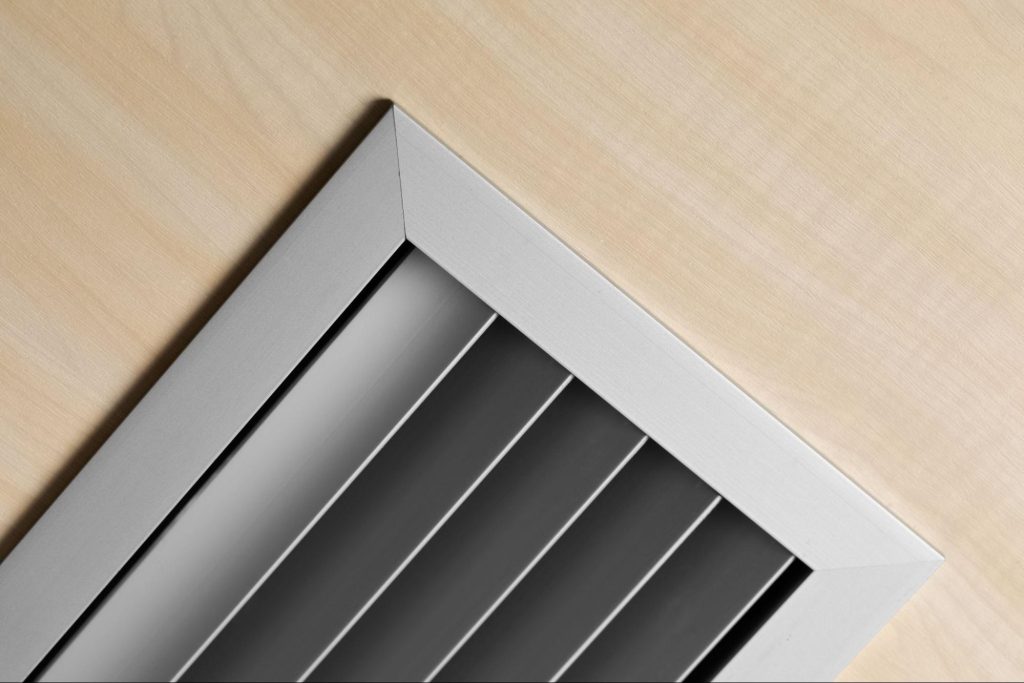
Smoke vents, also known as Automatic Opening Vents (AOVs), help protect escape routes by removing smoke from buildings during a fire. These systems may rarely operate outside an emergency, which means faults can remain unnoticed without regular testing.
This article explains how often smoke vents should be tested, what testing involves, who is responsible, and how planned inspections help property managers identify faults and maintain reliable smoke control systems.
Why Is Smoke Vent Testing Important?
Smoke ventilation systems help keep escape routes and stairwells clearer of smoke during a fire, supporting safer evacuation for residents and access for firefighters.
These systems may rarely activate outside an emergency, which means developing faults can go unnoticed. Regular testing gives property managers an opportunity to identify problems with vents, actuators, controls or power supplies before the system is needed during a fire.
Planned smoke vent testing also provides clearer records of system condition and outstanding defects, helping Responsible Persons maintain oversight across individual buildings or larger property portfolios.
How Often Should Smoke Vents Be Tested?
Smoke vent systems should be inspected, tested, and maintained at regular intervals in accordance with the relevant British Standards, the manufacturer’s recommendations, and the building’s fire strategy.
The exact testing regime may vary depending on the type and complexity of the smoke control system.
| Inspection Activity | Typical Frequency | What’s Included |
| Operational checks | Weekly | Confirm control panels indicate normal operation, investigate fault indicators, and verify a representative section of the smoke vent system operates correctly. |
| Power supply checks | Monthly | Verify the system operates correctly following the loss of the primary power supply and that standby batteries or alternative power supplies function as intended. |
| Functional testing | Quarterly | Test smoke vents, control zones, and associated components on a rotational basis so the entire system is checked over the course of the year. |
| Inspection and servicing | Annually | Carry out a comprehensive inspection and functional test of actuators, control panels, power supplies, interfaces, opening mechanisms, and associated components, together with recording maintenance and any remedial actions required. |
Weekly operational checks may be completed by suitably trained in-house personnel where appropriate, while annual inspection and servicing should be carried out by a competent specialist.
Responsible Persons should also maintain accurate inspection and maintenance records to demonstrate ongoing fire safety compliance.
What Does Smoke Vent Testing Involve?
Smoke vent testing verifies that the system responds correctly when needed and helps property managers identify defects before they compromise smoke control.
A professional inspection may include:
- Functional testing of Automatic Opening Vents (AOVs)
- Inspection of smoke shaft components where these form part of the smoke control system
- Inspection of actuators and opening mechanisms
- Testing of smoke detectors and manual controls where applicable
- Inspection of control panels
- Testing of standby power supplies
- Verification of automatic opening and closing sequences
- Identification of faults or damaged components
- Inspection reports and maintenance records
Clear reporting is particularly important for organisations managing multiple buildings. Identified faults can then be tracked, prioritised and followed through to remedial action rather than remaining unresolved until the next inspection.
Need Smoke Vent Testing Services?
Osterna supports housing associations, managing agents, local authorities, freeholders, employers, and large private landlords with professional smoke vent testing and wider fire safety compliance services across the UK.
Our planned inspection programmes help organisations identify defects early, maintain reliable firefighting systems, and support ongoing compliance across residential portfolios.
Which Buildings Require Smoke Vent Systems?
Smoke vent systems are commonly installed within buildings where smoke control forms part of the fire strategy.
These may include:
- Blocks of flats
- Apartment buildings
- High-rise residential buildings
- Mixed-use developments
- Commercial buildings
- Hospitals
- Hotels
- Care homes
- Public buildings
The requirement for smoke ventilation will depend on the Building Regulations, the building type and fire strategy, and the findings of the Fire Risk Assessment.
Who Is Responsible for Smoke Vent Testing?
Responsibility for smoke vent testing usually rests with the Responsible Person or the organisation responsible for managing the building.
This may include:
- Housing associations
- Managing agents
- Freeholders
- Local authorities
- Facilities management companies
- Commercial building owners
Routine smoke vent testing is often incorporated into planned fire safety testing and inspection programmes alongside Fire Risk Assessments, fire alarm testing, emergency lighting testing, and fire door inspections.
Who Can Carry Out Smoke Vent Testing?
Smoke vent inspection, testing, servicing, and maintenance should be carried out by a competent person with the appropriate knowledge, training, and experience of smoke control systems.
Testing should be completed in accordance with the relevant British Standards and the manufacturer’s recommendations. Inspection findings, identified defects, and any maintenance undertaken should be recorded as part of the building’s fire safety documentation.
A planned testing programme can help Responsible Persons identify outstanding issues, maintain accurate records and ensure compliance with their fire safety responsibilities.
What Are the Legal Requirements for Smoke Vent Testing?
Responsible Persons need to ensure fire safety systems remain effective and in working order. Smoke vents that form part of a building’s fire safety arrangements therefore need appropriate inspection, testing and maintenance.
In England and Wales, these duties principally arise under the Regulatory Reform (Fire Safety) Order 2005. Equivalent fire safety duties apply in Scotland.
The building’s fire strategy, Fire Risk Assessment and relevant guidance should also inform how the smoke control system is managed.
Faults identified during testing should be recorded and addressed promptly. A significant fault may also require the Responsible Person to consider interim fire safety measures until the system has been restored.
What British Standards Apply to Smoke Vent Testing?
Several British Standards provide guidance for the design, performance, testing and maintenance of smoke control systems. The most relevant standard will depend on the type of system installed and the building it protects.
| Standard | Practical relevance |
| BS 7346-8 | Provides guidance for testing, servicing and maintaining smoke control systems |
| BS EN 12101 | Covers performance requirements for smoke and heat control system components |
| BS 9999 / BS 9991 | Provide wider fire safety guidance for non-residential and residential buildings |
Property managers should consider the standards that apply to their specific smoke control system alongside the manufacturer’s instructions, the building’s fire strategy and any recommendations identified through the Fire Risk Assessment.
Following the relevant standards, manufacturer’s instructions and building fire strategy supports best practice when inspecting, testing and maintaining smoke control systems.
What Happens if Smoke Vents Are Not Properly Maintained?
Routine inspection and testing identify faults before they affect the performance of smoke vent systems. Without planned maintenance, defects may compromise the building’s smoke control strategy and increase risks to occupants during a fire.
Common issues identified during smoke vent inspections include:
- Failed actuators
- Damaged control panels
- Faulty smoke detectors
- Loss of standby power
- Damaged wiring or control circuits
- Obstructed or restricted vents
Unresolved defects can leave property managers with an unreliable smoke control system and residents with reduced protection during an emergency. They can also make it harder for Responsible Persons to demonstrate that fire safety systems are properly maintained.
Significant deficiencies may lead to further action following a Fire Risk Assessment or intervention by the relevant enforcing authority.
Managing Smoke Vent Compliance Across Residential Buildings
Reliable smoke control depends on faults being identified and addressed before an emergency occurs. Planned testing gives property and compliance teams clearer visibility of system condition, outstanding defects and the remedial actions needed to keep smoke vents operational.
Osterna supports housing associations, managing agents, local authorities, freeholders, employers and large private landlords across the UK with professional smoke vent testing, Fire Risk Assessments, fire safety testing and inspections, fire door inspections and wider building compliance services.
Speak to the Osterna team today to discuss your smoke vent testing and compliance requirements.
Frequently Asked Questions
Smoke vent testing forms part of the wider maintenance of fire safety systems. Responsible Persons are expected to keep smoke control systems operational throughout the life of the building, which means inspection, testing, and maintenance should form part of a planned fire safety programme. Following recognised British Standards provides evidence that these systems are being managed appropriately.
Smoke vent maintenance is primarily guided by BS 7346-8, while the BS EN 12101 series sets performance requirements for components of smoke and heat control systems. Together, these standards provide the framework for inspecting, testing, servicing, and maintaining smoke control systems throughout their operational life.
Routine operational checks may be completed by suitably trained personnel where appropriate. Comprehensive inspection, servicing, and maintenance should be carried out by a competent specialist with experience of smoke control systems and the relevant British Standards.
A smoke vent that fails an inspection or functional test should be investigated and repaired without unnecessary delay. Depending on the nature of the fault, interim fire safety measures may be required until the system has been restored to full operation. Any defects and remedial works should be recorded in the building’s fire safety records.
Some elements of a smoke control system can be tested independently, while other functional tests may require integration with the fire alarm system. The appropriate testing method depends on the system’s design and should follow the manufacturer’s recommendations and the building’s fire strategy.
Related articles
-
What Are the 5 Steps of a Fire Risk Assessment?
Not sure whether your building needs a fire risk assessment? This guide explains when fire risk assessments are legally required, who is responsible, and includes a practical checklist to help determine whether your premises fall within scope of fire safety legislation.
-
Do I Need a Fire Risk Assessment? Legal Requirements Explained
Not sure whether your building needs a fire risk assessment? This guide explains when fire risk assessments are legally required, who is responsible, and includes a practical checklist to help determine whether your premises fall within scope of fire safety legislation.
-
Are Fire Door Inspections a Legal Requirement?
Fire doors are one of the most commonly identified defects in residential fire safety inspections and can significantly undermine a building’s compartmentation strategy if left unchecked. This guide explains how often fire doors should be inspected, the legal requirements that apply, who is responsible for compliance, and how housing providers can develop an effective inspection programme across their portfolio.
-
Is a Fire Risk Assessment a Legal Requirement?
Fire risk assessments are a key part of residential fire safety compliance. Learn what UK legislation requires and what it means for managing agents and housing providers.
-
When Is a Fire Risk Assessment Required for Flats?
Fire risk assessments are a legal requirement for many residential buildings. This guide explains when they apply to flats, what legislation governs them, and what compliance professionals need to know.
-
Who Is Responsible for Fire Risk Assessments in a Block of Flats?
Managing fire safety within flats involves clear legal responsibilities. This guide explains who the Responsible Person is and what current fire safety legislation requires.
-
What Is a Fire Risk Assessment?
Fire risk assessments are a key part of fire safety compliance within residential buildings. This guide explains what a fire risk assessment includes, why it matters, and what current legislation requires.