
Danielle Naylor
Fire Safety Manager
Role & Responsibilities: Operations Manager overseeing a team of assessors, ensuring full compliance across client portfolios, maintaining schedule adherence, and delivering accurate, timely reporting on fire doors and asset safety, providing detailed reports for fire doors and assets to clients so that safety can be ensured.
Expertise: Strong capability in driving compliance performance, building effective relationships with internal and external stakeholders, and managing client expectations with a focus on service quality.
Notable Achievements: Successfully increased compliance levels during periods of team growth.
Articles by Danielle Naylor
-
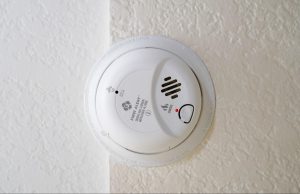
Where Should Smoke Alarms Be Positioned?
Correct positioning of smoke alarms is essential for reliable fire detection and occupant protection. This guide explains where alarms should be installed, where they should be avoided, the legislation and Building Regulations that influence alarm positioning, and common installation mistakes.
-
Smoke Alarm Requirements for HMO Landlords
HMO smoke alarm requirements are more complex than those for standard rental properties. This guide explains how HMO fire alarm requirements differ, what landlords need to provide, and how to maintain fire safety compliance.
-
Smoke Vent Testing: A Compliance Guide for Responsible Persons
Smoke vent testing helps verify that Automatic Opening Vents (AOVs) and smoke control systems remain operational throughout the life of a building. This guide explains the legal requirements, British Standards, recommended testing frequencies, Responsible Person duties, and how planned inspection and maintenance support ongoing fire safety compliance.
-
Fire Extinguisher Maintenance Explained: Inspection, Testing and Servicing
Fire extinguishers require more than annual servicing to remain effective in an emergency. This guide explains fire extinguisher maintenance requirements, including routine inspections, professional servicing, testing, legal responsibilities, and the role of BS 5306 in supporting fire safety compliance.
-
How Often Should Fire Extinguishers Be Inspected?
Routine fire extinguisher inspections help identify defects before they affect emergency response. This guide explains inspection frequencies, responsibilities, what to check, and how inspections support fire safety compliance.
-
Smoke Alarm Regulations for Landlords
Smoke alarm regulations require landlords to install, test, and maintain smoke and carbon monoxide alarms in qualifying rental properties. This article explains the legal requirements, landlord responsibilities, smoke alarm testing, HMO considerations, and the differences between England and Scotland.
-
Dry Riser Testing Regulations: What Building Owners Need to Know
Dry riser testing is essential for maintaining reliable firefighting systems within residential and commercial buildings. This guide explains the legislation and British Standards governing dry riser inspection and pressure testing, recommended testing frequencies, Responsible Person responsibilities, common defects, and how planned maintenance supports ongoing fire safety compliance.
-
Fire Extinguisher Inspection Checklist: What’s Included
A fire extinguisher inspection helps ensure portable firefighting equipment remains accessible, operational, and ready for use. This guide explains what a fire extinguisher inspection is, what’s included in a typical inspection checklist, and the key checks Responsible Persons should carry out as part of an effective fire safety maintenance programme.
-
How Much Does Fire Extinguisher Inspection Cost?
Fire extinguisher inspection costs vary depending on the number of extinguishers, building complexity, servicing requirements, and reporting needs. This guide explains the factors that influence pricing, what’s included within a professional inspection service, and how to obtain an accurate quotation.
-
How Often Should Fire Alarms Be Tested?
Routine fire alarm testing is an important part of fire safety compliance. This guide explains testing frequencies, legal responsibilities, record-keeping, and the role of BS 5839 in maintaining compliant fire alarm systems.