How Often Should Fire Extinguishers Be Inspected?
01 Oct 2026 | By Danielle Naylor
Routine fire extinguisher inspections help identify defects before they affect emergency response. This guide explains inspection frequencies, responsibilities, what to check, and how inspections support fire safety compliance.
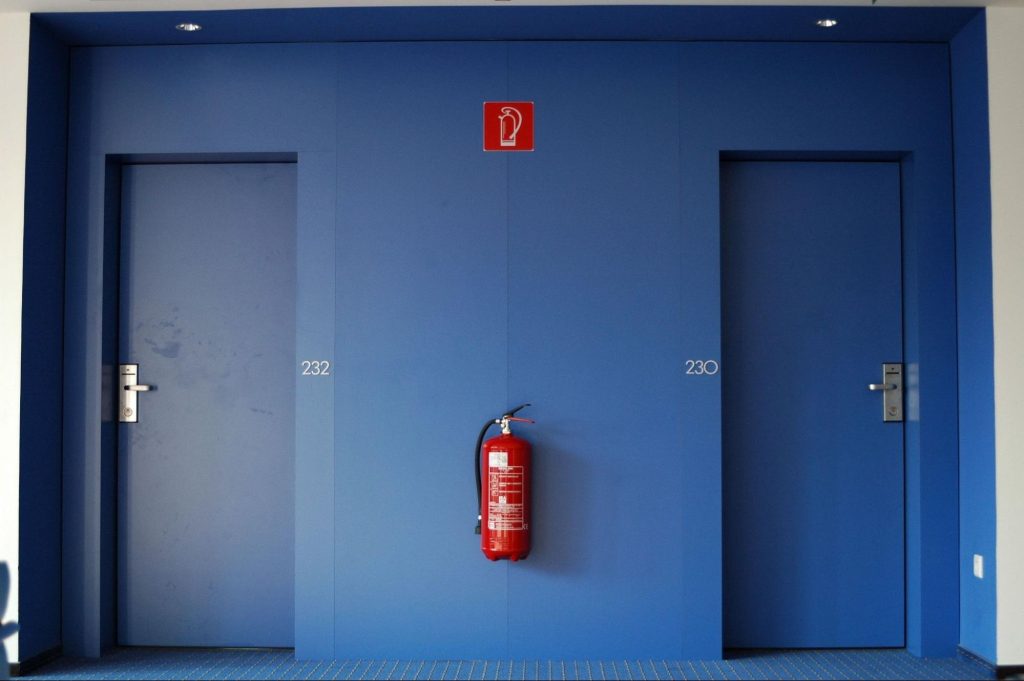
Fire extinguishers can become damaged, discharged, or obstructed between servicing visits, leaving them unavailable when they are needed most. Routine inspections help Responsible Persons identify these issues early and confirm portable fire extinguishers remain accessible, operational, and ready for use during an emergency.
This guide explains how often fire extinguishers should be inspected, what should be checked during routine inspections, who is responsible, and how inspections support wider fire safety compliance.
Why Are Fire Extinguisher Inspections Important?
Portable fire extinguishers provide an important first response to small fires, but only if they are available, undamaged, and ready for use. Between annual servicing visits, extinguishers can become damaged, discharged, obstructed, or removed without anyone noticing.
Routine fire extinguisher inspections help Responsible Persons:
- Confirm extinguishers remain in their designated location
- Identify obvious damage or signs of tampering
- Check pressure indicators where fitted
- Ensure extinguishers remain accessible during an emergency
- Identify extinguishers that require servicing or replacement
- Maintain accurate inspection records
Regular inspections form part of a wider fire safety management programme alongside Fire Risk Assessments, fire alarm testing, emergency lighting testing, fire door inspections, and planned maintenance.
Types of Fire Extinguishers and Inspection Requirements
Different types of fire extinguishers are used throughout residential buildings to protect against specific fire risks. Regular inspections and servicing help ensure extinguishers remain operational, compliant, and ready for use in an emergency.
Under the Regulatory Reform (Fire Safety) Order 2005, Responsible Persons must ensure firefighting equipment is maintained in an efficient state, in efficient working order, and in good repair.
| Fire Extinguisher | Typical Residential Use | Inspection Requirements |
| Water (Red Label) | Class A fires involving wood, paper, textiles, and other solid combustible materials commonly found in communal areas. | Monthly visual inspection and annual servicing. Extended service every 5 years. |
| Foam (Cream Label) | Class A and Class B fires in areas where flammable liquids may be present, such as maintenance or plant rooms. | Monthly visual inspection and annual servicing. Extended service every 5 years. |
| CO₂ (Black Label) | Electrical equipment, including electrical cupboards, meter rooms, and plant rooms. | Monthly visual inspection and annual servicing. Pressure test or overhaul every 10 years. |
| Wet Chemical (Yellow Label) | Communal kitchens or catering facilities within residential developments, supported housing, or care environments. | Monthly visual inspection and annual servicing. Extended service every 5 years. |
Monthly Inspections and Annual Servicing: What’s Required
Fire extinguishers should be visually inspected every month by the Responsible Person or a nominated representative to confirm they remain correctly located, unobstructed, undamaged, and ready for use. These routine inspections help identify obvious defects between professional servicing visits but do not replace a formal service.
In addition, portable fire extinguishers should be serviced annually by a competent person in accordance with British Standard BS 5306-3. Annual servicing involves a more detailed examination of the extinguisher’s condition and operation, with extended servicing or testing carried out at the appropriate intervals depending on the extinguisher type.
The inspection and servicing programme should always reflect the type of premises, the extinguishers provided, and the manufacturer’s recommendations.
What Should Be Checked During a Fire Extinguisher Inspection?
A routine inspection is intended to identify obvious issues that could prevent a fire extinguisher from operating correctly during an emergency.
Responsible Persons should typically check that each extinguisher:
- Remains in its designated location
- Is clearly visible and unobstructed
- Shows no obvious signs of damage or corrosion
- Has an intact safety pin and tamper seal
- Displays the correct operating pressure where a gauge is fitted
- Has not been discharged or partially used
- Has a current service label
- Remains suitable for the fire risks within the area
Routine inspections should also confirm that extinguisher signage remains in place and that access has not been restricted by furniture, stored materials, or alterations to the building.
For more information about routine inspection checks, read our article: Fire Extinguisher Inspection Checklist: What’s Included?
Who Should Carry Out Fire Extinguisher Inspections?
Routine visual inspections can usually be completed by the Responsible Person, a nominated representative who has received appropriate instruction, or a competent inspection provider.
Osterna is BAFE-audited and provides professional fire extinguisher inspections and defect reporting. Our service does not include annual servicing, repairs, extended servicing, or pressure testing. Where an inspection identifies a defect, the Responsible Person should arrange the appropriate remedial action with a competent servicing provider.
Legal responsibility for ensuring portable fire extinguishers remain appropriately maintained cannot be delegated.
Need Fire Extinguisher Inspection Services?
Osterna supports housing associations, managing agents, and large private landlords with professional fire extinguisher inspections and wider fire safety compliance services across the UK.
Our planned inspection programmes help organisations identify and record defects, maintain accurate inspection records, and determine where further action by a competent servicing provider may be required.
How Long Does a Fire Extinguisher Inspection Take?
A routine visual fire extinguisher inspection is usually completed within a few minutes per extinguisher. The exact duration will depend on:
- The number of extinguishers
- The size of the premises
- The complexity of the building
- Whether any defects are identified
Larger residential portfolios may require a planned inspection programme across multiple buildings or locations. This approach can make it easier to identify and record defects, maintain accurate inspection records, and arrange appropriate remedial action where required.
Annual servicing is a separate maintenance activity and should be completed by a competent servicing provider.
What Happens if an Inspection Identifies a Fault?
A damaged, discharged, or inaccessible fire extinguisher may not operate when it is needed most. This can delay the safe control of a small fire, increase the risk of fire spread, and leave occupants without suitable first-aid firefighting equipment.
Common issues identified during inspections include:
- Low pressure
- Missing or damaged tamper seals
- Corrosion or physical damage
- Missing extinguishers
- Obstructed access
- Out-of-date service labels
- Signs that an extinguisher has been discharged
Osterna’s inspection service identifies and records defects but does not include remedial servicing or repairs. Where further action is required, the Responsible Person should appoint an appropriate competent provider and retain evidence of the remedial work completed.
Supporting Fire Safety with Routine Fire Extinguisher Inspections
Routine fire extinguisher inspections help Responsible Persons identify defects before they affect the availability or condition of portable fire extinguishers. Clear defect reporting also helps organisations determine when specialist servicing, repair, or replacement may be required.
Osterna supports housing associations, managing agents, local authorities, employers, and large private landlords across the UK with fire extinguisher inspections and defect reporting, alongside Fire Risk Assessments, fire alarm testing, emergency lighting testing, fire door inspections, asset testing, and wider building compliance services.
Get in touch with the Osterna team today.
Frequently Asked Questions
No. Fire safety legislation does not prescribe a specific inspection frequency. However, British Standard BS 5306-3 recommends monthly visual inspections to help identify obvious defects between annual servicing visits.
Following this recognised guidance helps Responsible Persons demonstrate that portable fire extinguishers are being actively managed as part of their wider fire safety arrangements.
Yes. Portable fire extinguishers should be inspected even if they have never been used. Damage, corrosion, loss of pressure, or accidental discharge can occur over time, making routine inspections an important part of maintaining effective fire safety measures.
The cost of a fire extinguisher inspection depends on factors such as the number of extinguishers, the size and location of the premises, and the number of buildings included within the inspection programme.
Organisations responsible for multiple buildings may benefit from portfolio-wide inspection programmes. A site-specific quotation provides the most accurate cost based on the required inspection scope.
No. A Fire Risk Assessment and a fire extinguisher inspection serve different purposes. A Fire Risk Assessment identifies the fire risks within a building and determines whether portable fire extinguishers are required, while a fire extinguisher inspection checks that the extinguishers provided remain accessible, serviceable, and ready for use. Both play an important role in maintaining effective fire safety management.
Responsible Persons should keep records of completed inspections, any faults identified, remedial actions taken, and the dates of any servicing completed by the relevant servicing provider. Accurate records provide an audit trail of fire safety management and help demonstrate compliance during inspections and Fire Risk Assessments.
Related articles
-
What Is a Person-Centred Fire Risk Assessment?
Some residents require additional fire safety measures beyond those identified in a standard Fire Risk Assessment. This guide explains what a Person-Centred Fire Risk Assessment is, when it may be appropriate, and how it helps organisations manage individual fire risks while supporting compliance.
-
How Often Should Fire Alarms Be Tested?
Routine fire alarm testing is an important part of fire safety compliance. This guide explains testing frequencies, legal responsibilities, record-keeping, and the role of BS 5839 in maintaining compliant fire alarm systems.
-
What Does a Fire Door Inspection Include?
A fire door can appear compliant, while hidden defects reduce its ability to resist fire and smoke. Discover what a fire door inspection includes, what inspectors check, and how inspection findings help Responsible Persons prioritise remedial works and demonstrate compliance.
-
What Is a Fire Door Inspection?
Fire doors can deteriorate over time without obvious signs of damage, creating compliance and safety risks. Learn what a fire door inspection is, when it should be arranged, and how it helps Responsible Persons manage fire safety across residential buildings.
-
Person-Centred Fire Risk Assessment (PCFRA) vs Standard Fire Risk Assessment: What’s the Difference?
A standard Fire Risk Assessment and a Person-Centred Fire Risk Assessment serve different purposes, but many organisations need both. This guide explains the key differences, when each assessment is appropriate, and how they work together to support effective fire safety management and compliance.
-
When Does a Fire Risk Assessment Recommend a Variation Order?
Costly fire alarm upgrades are not always the most appropriate outcome of a Fire Risk Assessment. Learn when a Fire Alarm Variation Order may provide a proportionate, risk-based solution and how it supports residential fire alarm compliance.
-
How Long Does a Fire Risk Assessment Last?
Many organisations assume a fire risk assessment remains valid until the next scheduled review. In reality, building changes, evolving risks, and regulatory expectations can all affect whether an assessment remains suitable and sufficient. This guide explains when a fire risk assessment should be reviewed and the warning signs that it may no longer reflect the building’s current risks.
-
What Should a Fire Risk Assessment Include?
A fire risk assessment that overlooks key risks can leave organisations exposed to significant compliance and safety issues. This guide explains what a suitable and sufficient fire risk assessment should contain and how to identify whether an assessment provides the information needed to manage fire safety effectively.
-
How Often Should a Fire Risk Assessment Be Carried Out?
Many organisations review fire risk assessments on a fixed schedule. The challenge is that review frequency should reflect the building’s risks, not simply the calendar. This guide explains how Responsible Persons can develop review programmes that support effective fire safety management and compliance.
-
How Often Should Fire Doors Be Inspected?
Meeting the minimum legal requirements is not always enough to demonstrate effective fire door management. This guide explains how often fire doors should be inspected, when additional checks may be appropriate, and how housing providers can take a risk-based approach to compliance.