Smoke Alarm Requirements for HMO Landlords
02 Oct 2026 | By Danielle Naylor
HMO smoke alarm requirements are more complex than those for standard rental properties. This guide explains how HMO fire alarm requirements differ, what landlords need to provide, and how to maintain fire safety compliance.

Houses in Multiple Occupation (HMOs) present different fire safety challenges to standard residential properties. Multiple unrelated occupants, shared escape routes, and increased fire risks often mean that the minimum smoke alarm requirements for rental properties are not sufficient.
Instead, HMO landlords may need a more comprehensive fire detection and alarm system that reflects the building’s size, layout, occupancy, and risk profile.
This article explains the smoke alarm requirements for HMOs, the difference between Grade D and Grade A systems, the role of BS 5839-6, and how landlords can determine the most appropriate fire alarm system for their property.
What Are the Smoke Alarm Requirements for HMOs?
HMOs often need a higher level of fire detection than standard rental properties because several occupants may share kitchens, communal areas, and escape routes.
Depending on the property, this may include:
- Interlinked smoke alarms
- Heat alarms within kitchens
- Mains-powered alarm systems
- Additional detector coverage
- A more comprehensive fire alarm system in larger or higher-risk HMOs
The right fire alarm system depends on the size and layout of the property, the number of occupants, the escape routes and any specific risks identified within the building. Local authority licensing conditions can also affect what landlords need to provide.
The Housing Act 2004, Smoke and Carbon Monoxide Alarm (Amendment) Regulations 2022 and, where applicable, the Regulatory Reform (Fire Safety) Order provide the wider regulatory framework. BS 5839-6 provides recommendations for fire detection and alarm systems in domestic premises.
A Fire Risk Assessment can help identify fire risks within the property and inform the required fire safety measures.
For the minimum smoke alarm requirements that apply to most rented properties, read our guide to Smoke Alarm Regulations for Landlords.
Need Smoke Alarm Testing Services?
Osterna supports housing associations, managing agents, local authorities, and large private landlords with professional smoke alarm testing and wider fire safety compliance services across the UK.
Our planned inspection and testing programmes help organisations verify smoke alarms are operating correctly, identify faults early, and maintain reliable fire detection across residential portfolios.
Do All HMOs Need the Same Fire Alarm System?
No. A system suitable for a small HMO may not provide sufficient protection for a larger or more complex property.
Landlords and property managers should consider:
- Number of storeys and occupants
- Layout and shared areas
- Escape routes
- Higher-risk areas such as kitchens
- The needs of residents
- Local authority licensing conditions
Smaller HMOs may be adequately protected by interlinked domestic alarms, while larger or higher-risk properties may need a more comprehensive system.
This makes it important to assess each property individually rather than applying the same alarm specification across an entire portfolio.
What Type of Fire Alarm System Might an HMO Need?
The main practical difference between HMO fire alarm systems is the level of protection they provide and the type of equipment installed.
BS 5839-6 uses grades to describe the type of alarm system and categories to describe the level of detection coverage. Landlords may therefore see terms such as Grade D1, Grade A, LD1 and LD2 when reviewing Fire Risk Assessments, licensing requirements or fire alarm specifications.
Smaller HMOs
Many smaller HMOs are commonly protected by a Grade D1 fire detection system providing Category LD2 coverage.
A Grade D1, Category LD2 system will typically include:
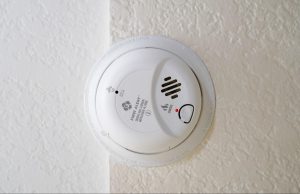
- Mains-powered smoke alarms with sealed back-up batteries
- Smoke alarms protecting escape routes, such as hallways and landings
- Heat alarms within kitchens
- Interlinked alarms that activate simultaneously when one alarm is triggered
Category LD2 provides fire detection within escape routes and high-risk rooms, such as kitchens, helping occupants receive an early warning of fire.
Property managers do not need to determine the grade and category from the property type alone. The appropriate specification should reflect the individual building, its occupants, identified fire risks and any applicable licensing requirements.
Compliance with BS 5839-6 depends not only on selecting an appropriate fire alarm system but also on installing detectors in suitable locations. For more information, read our article on Where Should Smoke Alarms Be Positioned?
Larger or Higher-Risk HMOs
Larger or higher-risk HMOs are more likely to require a Grade A fire alarm system, particularly where enhanced fire detection is identified through the Fire Risk Assessment or required by local authority licensing conditions.
These systems typically include:
- Fire alarm control panel
- Commercial-grade smoke detectors
- Heat detectors
- Manual call points
- Fire-resistant cabling
- Enhanced detector coverage throughout the building
Many larger HMOs require Category LD1 or Category LD2 coverage. Category LD1 provides the highest standard of life protection by extending fire detection throughout the property, while LD2 focuses on escape routes and specified high-risk rooms.
The final fire alarm specification should always reflect the size, layout, occupancy, and fire risks associated with the property.
Carbon Monoxide Alarm Requirements for HMOs
Smoke and heat alarms do not detect carbon monoxide, so separate carbon monoxide alarms may also be required to protect residents.
In England, a carbon monoxide alarm is required in any room used as living accommodation that contains a fixed combustion appliance, excluding gas cookers. This can include rooms containing boilers, wood-burning stoves or open fires.
Landlords and property managers should therefore consider carbon monoxide provision alongside the wider fire alarm system rather than treating the two as interchangeable.
Testing and Maintaining Smoke Alarm Systems
Landlords have a legal responsibility to protect their tenants’ health and safety, and an appropriate fire alarm system only provides effective protection if it continues to operate correctly. Regular testing helps identify faults, damaged detectors, power supply issues and other problems that could affect its performance.
Testing requirements depend on the system installed. Domestic interlinked alarms can require regular user testing, while Grade A systems need a more structured programme of testing, inspection and maintenance to remain effective and compliant.
Residents should know how to report faults or damaged alarms, while property managers should have a clear process for recording issues, arranging remedial action and confirming that reported faults have been resolved.
For organisations managing multiple HMOs, smoke alarm testing can form part of a wider programme of fire safety testing and inspections, helping teams maintain oversight across several properties.
Managing Smoke Alarm Compliance Across HMOs
Effective fire detection in an HMO depends on selecting the right system for the property and keeping it operational throughout its service life. Regular testing, clear fault reporting and prompt remedial action help maintain protection for residents and give property managers better visibility across their buildings.
Osterna supports housing associations, managing agents, local authorities, freeholders and HMO landlords across the UK with professional smoke alarm testing, Fire Risk Assessments, fire safety testing and inspections, fire door inspections and wider building compliance services.
Speak to the Osterna team today to discuss your HMO smoke alarm compliance and testing requirements
Frequently Asked Questions
The right system depends on factors including the size and layout of the HMO, the number of occupants, escape routes, fire risks and any local authority licensing conditions.
A Fire Risk Assessment can help identify the risks within the property, while BS 5839-6 provides recommendations for the design and coverage of fire detection systems in domestic premises.
Many HMOs do require interlinked smoke alarms, although the exact system depends on the property’s fire risk assessment and licensing requirements. HMO landlords must ensure the fire detection system meets the applicable fire safety requirements and provides an appropriate level of protection for every tenant.
Yes. Regular servicing helps identify faults or deterioration that could prevent the fire alarm system from operating correctly when residents need it.
The required maintenance programme will depend on the type of system installed and should follow the relevant British Standards, manufacturer’s recommendations and any applicable licensing requirements.
Not necessarily. Some HMO fire alarm systems require detection within bedrooms, while others provide detection primarily within escape routes and higher-risk areas.
The appropriate coverage depends on the property, its occupants and fire risks, together with the Fire Risk Assessment, BS 5839-6 and any applicable licensing requirements.
No. Smoke alarms and heat alarms form part of the building’s fire safety measures and should not be removed, disconnected, or tampered with. Any faults should be reported to the landlord or managing agent so they can be investigated and rectified.
Related articles
-
How Often Do Landlords Need to Renew Their EPC?
Expired EPCs can delay lettings and create avoidable compliance issues, particularly across larger residential portfolios. This article explains when landlords need a new EPC, when early renewal may be worthwhile, and how planned assessments can keep certificates up to date.
-
Who’s Responsible for the EPC – Landlord or Tenant?
Responsibility for obtaining and providing an Energy Performance Certificate (EPC) generally rests with the landlord. This article explains who pays for an EPC, who renews it, tenants’ responsibilities, and how landlords can maintain compliance with current EPC legislation.
-
Where Should Smoke Alarms Be Positioned?
Correct positioning of smoke alarms is essential for reliable fire detection and occupant protection. This guide explains where alarms should be installed, where they should be avoided, the legislation and Building Regulations that influence alarm positioning, and common installation mistakes.
-
Are Fire Risk Assessment Recommendations Mandatory?
Fire Risk Assessment recommendations are not automatically legal requirements, but they should never be dismissed as optional. Responsible Persons should prioritise and manage them and maintain compliance with UK fire safety legislation.
-
Fire Risk Assessment for Block Management
Fire Risk Assessments are a key part of managing fire safety in residential blocks. This guide explains who is responsible, what an assessment should cover and how managing agents and landlords should manage findings across their portfolios.
-
Fire Risk Assessment for High-Rise Buildings
Fire risk assessments for high-rise residential buildings must consider evacuation arrangements, external walls, communal areas and building-specific fire hazards. Assessments should cover and how property and compliance teams can manage findings across complex residential buildings.
-
Fire Risk Assessment for Student Accommodation
Student accommodation presents specific fire safety challenges, from shared kitchens and changing occupancy to evacuation and sleeping risk. A Fire Risk Assessment should cover how universities, landlords and accommodation providers should manage the findings.
-
How to Choose a Fire Risk Assessor
Choosing the right fire risk assessor is essential for effective fire safety management and ongoing compliance. This guide explains what makes a competent fire risk assessor, why experience and third-party certification matter, what questions to ask before appointing a provider, and how to identify a high-quality Fire Risk Assessment.
-
Smoke Vent Testing: A Compliance Guide for Responsible Persons
Smoke vent testing helps verify that Automatic Opening Vents (AOVs) and smoke control systems remain operational throughout the life of a building. This guide explains the legal requirements, British Standards, recommended testing frequencies, Responsible Person duties, and how planned inspection and maintenance support ongoing fire safety compliance.
-
Smoke Alarm Regulations for Landlords
Smoke alarm regulations require landlords to install, test, and maintain smoke and carbon monoxide alarms in qualifying rental properties. This article explains the legal requirements, landlord responsibilities, smoke alarm testing, HMO considerations, and the differences between England and Scotland.