
Why Is the Golden Thread Important?
11 Nov 2026 | By Ron Fellowes MIFSM, GIFireE, CertNCRQ
The golden thread of information is a legal requirement for higher-risk buildings in England under the Building Safety Act 2022. It ensures building safety information is maintained and accessible throughout a building's lifecycle.
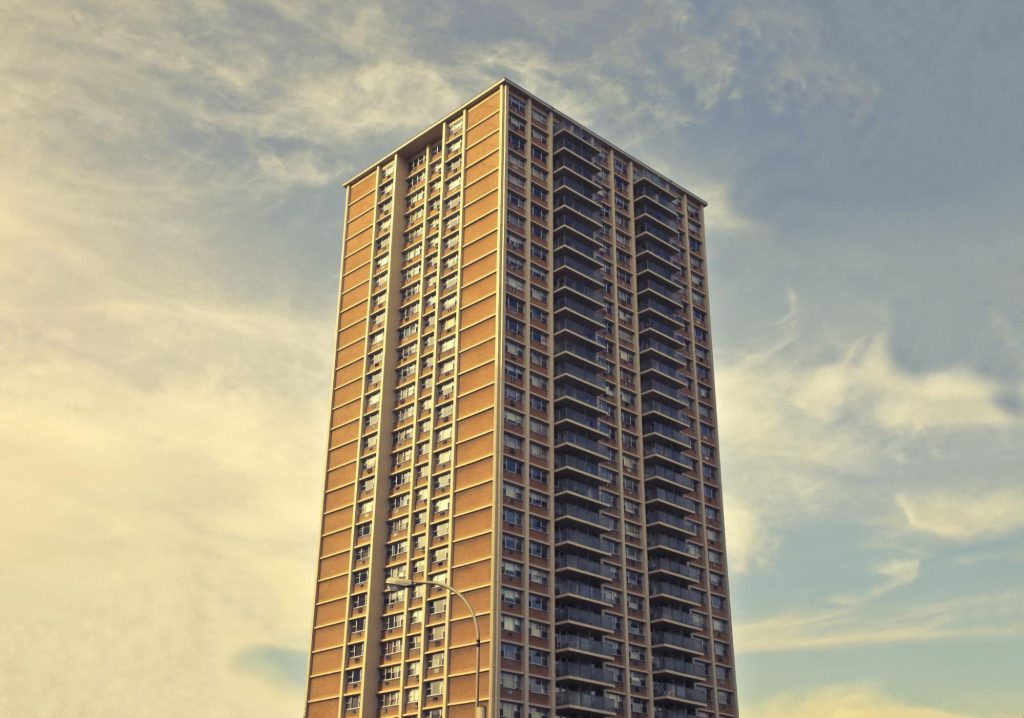
The golden thread of information is a secure digital record of the information needed to manage a higher-risk building throughout its lifecycle. It brings together details of the building’s design, construction, fire safety measures, inspections, maintenance, and alterations.
Accurate, accessible records help those responsible for building safety identify risks and make informed decisions. They also reduce the risk of losing important information when contractors change, managing agents are replaced, or building works take place.
What Is the Golden Thread of Information?
The golden thread is a key part of the building safety framework introduced under the Building Safety Act 2022. It is not a single document, but a collection of information about a building’s design, construction, occupation, maintenance, and ongoing safety management.
The records should provide a reliable picture of the building’s condition and safety arrangements, including changes made over time.
The golden thread should provide enough information to:
- Understand how the building was designed and constructed
- Identify significant fire and structural safety risks
- Plan maintenance, alterations, and remedial works safely
- Maintain an accurate record of inspections, testing, and completed works
- Demonstrate how building safety risks are being managed throughout the building’s lifecycle
The information should remain accurate, accessible, secure, and updated whenever significant changes are made to the building.
What Happens When Building Safety Information Is Missing?
A managing agent takes over a residential building and receives the latest Fire Risk Assessment, but no records showing whether the recommended fire door repairs were completed. The previous contractor has also left without handing over the compartmentation survey or details of fire stopping works.
The new managing agent cannot establish which defects remain outstanding or whether the completed work meets the required specification. Further investigations may be needed, delaying maintenance decisions and increasing costs.
A properly maintained golden thread reduces this risk by keeping inspection findings, completed works, supporting evidence, and relevant building information together and accessible to those who need it.
Why Was the Golden Thread Introduced?
The concept of the golden thread was recommended by Dame Judith Hackitt in her Building a Safer Future review following the Grenfell Tower tragedy.
The review found that essential building information was often incomplete, inconsistent, or difficult to access. As buildings change over time, important records on fire safety, construction, and maintenance can become fragmented or lost, making it harder to understand and manage building safety risks.
The Building Safety Act 2022 introduced the golden thread to improve accountability by ensuring reliable building safety information is maintained throughout a building’s lifecycle and remains available to those responsible for managing it.
Which Buildings Require a Golden Thread?
The golden thread requirements apply to higher-risk buildings under England’s building safety regime. During occupation, these are generally residential buildings that are at least 18 metres tall or have at least seven storeys, and contain at least two residential units, subject to specified exclusions.
The definition differs during design and construction, when certain hospitals and care homes are also included.
These requirements apply throughout the building’s lifecycle, from design and construction through to occupation, maintenance, refurbishment, and any significant alterations.
Although the golden thread is a legal requirement for higher-risk buildings, many organisations responsible for other residential buildings are also adopting similar approaches to managing building information. Accurate digital records can improve compliance, support maintenance planning, and provide a clear audit trail for fire and building safety information.
If you manage several residential buildings, establish which properties fall within the higher-risk building regime before reviewing their information requirements.
Is the Golden Thread a Legal Requirement?
Yes. The golden thread is a legal requirement for higher-risk buildings covered by England’s building safety regime. The specific duties depend on whether a building is being designed, constructed, or occupied.
The Building Safety Act 2022 and supporting regulations establish these requirements, which came into force at different stages.
| Stage | Legislation | Commencement |
| Design and construction | Building (Higher-Risk Buildings Procedures) (England) Regulations 2023, particularly regulations 31 and 38 | 1 October 2023 |
| Occupation: keeping building safety information | Building Safety Act 2022, section 88 | 16 January 2024 |
| Occupation: sharing and transferring information | Building Safety Act 2022, sections 89 and 90 | Section 90 commenced on 16 January 2024; section 89 provides powers for regulations governing information sharing |
| Occupation: information to keep and provide | Higher-Risk Buildings (Keeping and Provision of Information etc.) (England) Regulations 2024 | 16 January 2024 |
The design and construction requirements cover digital record-keeping, access, updates, and the handover of information when building work is completed.
During occupation, Accountable Persons must maintain prescribed building safety information and comply with applicable requirements for sharing and transferring records. The 2024 Regulations specify much of the information and documentation that must be kept and provided.
What Information Should the Golden Thread Include?
The golden thread should contain the information needed to understand, manage, and maintain the building safely throughout its lifecycle.
The exact information will vary by building, but it should provide an accurate, up-to-date record of the building’s design, construction, management, and ongoing safety.
Building Design and Construction Information
The golden thread should include information explaining how the building was designed and constructed, including:
- Design drawings and specifications
- Structural information
- Construction materials and products
- As-built information
- Building control approvals and other regulatory records where applicable
These records help identify how the building was constructed and what may need checking before alterations.
Fire and Building Safety Information
Fire safety information forms an important part of the golden thread fire safety requirements and may include:
- Fire Risk Assessments
- Fire strategy documents
- Fire door inspection records
- Compartmentation surveys
- Smoke control information
- Fire alarm and detection systems
- Emergency lighting records
- Evacuation strategies
- Safety Case Reports (where required)
These records help demonstrate how fire and structural safety risks are being identified, assessed, and managed throughout the building’s occupation.
Inspection, Maintenance and Alteration Records
The golden thread should also include records relating to the ongoing management of the building, including:
- Planned maintenance
- Safety inspections
- Testing and servicing records
- Completed remedial works
- Product certifications
- Significant building alterations
These records show what has changed, when work was completed, and what evidence is available.
Building Management Information
The golden thread should also record information about how the building is managed, such as:
- Accountable Person details
- Resident engagement information
- Mandatory occurrence reporting (where applicable)
- Building safety policies and procedures
The key question is whether the available records provide enough reliable information to understand the building and manage its safety risks.
How Do You Start a Golden Thread for an Existing Building?
An existing higher-risk residential building may already have much of the information needed for its golden thread. However, records may be spread across different systems, held by previous managing agents, or missing altogether.
Establishing a reliable golden thread starts with identifying who is responsible, reviewing the available information, and putting arrangements in place to maintain it.
- Identify the Accountable Persons: Confirm who holds the Accountable Person (AP) and Principal Accountable Person (PAP) roles, and who will manage the information on their behalf.
- Gather existing records: Collect building plans, fire strategies, Fire Risk Assessments, structural surveys, inspection reports, maintenance records, and details of previous alterations.
- Identify gaps in the information: Compare existing records against the legal requirements. Document missing information, assess its importance, and establish what further enquiries or investigations are needed.
- Establish a digital record-keeping system: Use secure digital systems that support authorised access, version control, updates, and the transfer of information without loss or corruption.
- Connect the information to the building safety case: Ensure relevant records support the assessment and management of fire and structural safety risks, including the evidence used to prepare the safety case report.
- Keep records up to date: Establish procedures for recording new inspections, maintenance, completed repairs, building alterations, and changes in responsibility.
A dedicated golden thread platform is not mandatory, and information can be held across different digital systems. However, the arrangements must meet the applicable legal requirements, ensuring records remain accurate, secure, accessible, and available to those who need them.
What if Building Information Is Missing?
Older buildings may have incomplete construction records or limited information about previous alterations. The regulations recognise that some historical information may not be available, but Accountable Persons should make reasonable enquiries to obtain information needed to assess and manage building safety risks.
Missing information should be recorded and its significance assessed. Further surveys or investigations may be necessary where gaps prevent a reliable understanding of the building’s fire or structural safety arrangements.
A documented approach to identifying and addressing missing information helps establish a more reliable golden thread, even where historical records are incomplete.
Common Golden Thread Mistakes
A digital filing system alone does not meet the purpose of the golden thread. The information must remain accurate, accessible, and useful to those responsible for building safety.
Common problems include:
- Storing documents without updating them: A folder of PDFs quickly becomes unreliable if new inspections, repairs, and alterations are not recorded.
- No clear responsibility for records: Information can become outdated when nobody is assigned to maintain it.
- Missing evidence of completed work: An inspection may identify a defect, but the records do not show whether it was repaired or who carried out the work.
- Information held by individual contractors: Important records may be lost when a contractor leaves, or a maintenance contract ends.
- Poor version control: Multiple copies of building plans or fire strategies can make it difficult to identify which information is current.
- Restricted access: Records are of limited use if authorised people cannot retrieve them when needed.
Someone must be responsible for maintaining the records and checking that information is updated.
How Does the Golden Thread Affect Fire Safety?
The golden thread brings fire safety information together so that those responsible for a building can understand its existing safety measures, identify outstanding risks, and see what work has been completed.
Fire Risk Assessments Form Part of a Live Record
A Fire Risk Assessment should not sit in a filing cabinet until its next review. Its findings should be linked to relevant inspection records, further investigations, and evidence of completed work.
If an assessment identifies defective fire doors, for example, the building’s records should show what repairs were recommended, whether they were completed, and what evidence is available.
Building Changes Are Recorded
Alterations to fire doors, compartmentation, smoke control systems, or escape routes may affect the building’s fire safety arrangements.
Relevant records should be updated when changes take place, allowing future assessments and maintenance decisions to be based on accurate information.
Inspection Findings Can Be Tracked
A complete record should make it possible to follow an issue from identification through to investigation and completion.
This helps prevent outstanding defects from being overlooked when contractors change or building management responsibilities transfer.
Read What Happens After a Fire Risk Assessment? to learn how assessment findings should be managed and recorded.
Who Is Responsible for Maintaining the Golden Thread?
Responsibility for maintaining the golden thread depends on whether a higher-risk building is under construction or occupied. Different duty holders must ensure building safety information is created, maintained, and passed on at the appropriate stage.
During Design and Construction
The client is responsible for ensuring appropriate arrangements are in place to create and maintain golden thread information. The Principal Designer and Principal Contractor must support these arrangements by providing accurate information about the design and construction work.
They must also hand over relevant building safety information to those responsible for the building when construction is completed.
During Occupation
Accountable Persons are legally responsible for maintaining prescribed building safety information relating to the parts of a higher-risk building for which they are responsible. This includes keeping relevant records accurate, accessible, and up to date.
The Principal Accountable Person has additional duties to coordinate building safety information, particularly where responsibility is shared between several Accountable Persons.
Managing agents, consultants, and contractors may help maintain these records, but the legal duties remain with the relevant Accountable Persons. Management agreements should therefore specify who updates information, checks its accuracy, and ensures records are passed on when responsibilities change.
How Do Fire Safety Inspections Support the Golden Thread?
Fire Risk Assessments, fire door inspections, and compartmentation surveys provide information that can contribute to a building’s golden thread. Each serves a different purpose:
- Fire Risk Assessments: Identify fire hazards, assess existing precautions, and recommend actions to address risks.
- Fire door inspections: Record the condition of fire doors and identify defects requiring attention.
- Compartmentation surveys: Identify potential weaknesses in fire-resisting walls, floors, and other barriers intended to limit the spread of fire and smoke.
These reports can be retained alongside maintenance records and evidence of completed work, providing a clearer picture of the building’s fire safety arrangements.
The inspections contribute useful information but do not, individually or collectively, satisfy all the golden thread requirements under the Building Safety Act.
Need Support Managing Building Safety Information?
Osterna supports housing associations, managing agents, local authorities, freeholders, employers, and large private landlords with Fire Risk Assessments, fire door inspections, compartmentation surveys, fire safety inspections, and wider building compliance services across the UK.
Our surveys and inspections provide accurate building safety information that helps organisations manage fire safety risks and maintain robust compliance records.
Build a Reliable Golden Thread
A well-managed golden thread helps organisations understand their buildings, manage fire and structural safety risks, and maintain accurate building safety information throughout the building’s lifecycle. For higher-risk buildings, it also plays an important role in demonstrating compliance with the Building Safety Act 2022.
If your organisation needs support with Fire Risk Assessments, fire door inspections, compartmentation surveys, or wider fire safety compliance, speak to the Osterna team. We support housing associations, managing agents, local authorities, and large private landlords with the inspections, surveys, and technical information needed to support effective building safety management.
Frequently Asked Questions
Yes. The golden thread is a legal requirement for higher-risk buildings under the Building Safety Act 2022. Those responsible for managing these buildings must ensure that accurate, up-to-date building safety information is created, maintained, and kept available throughout the building’s lifecycle.
Responsibility for the golden thread depends on the stage of the building’s lifecycle. During design and construction, responsibility is shared between the Client, Principal Designer, and Principal Contractor.
Once the building is occupied, responsibility transfers to the Accountable Person. Where there is more than one Accountable Person, the Principal Accountable Person (PAP) has overall responsibility for maintaining the golden thread.
Missing or inaccurate information can make it more difficult to understand how a building was designed, constructed, maintained, or altered. This may affect maintenance planning, Fire Risk Assessments, refurbishment projects, and investigations into fire or structural safety issues. In higher-risk buildings, incomplete records may also make it harder to demonstrate compliance with building safety legislation.
When important information is unavailable, those responsible for managing the building may need to commission further investigations before maintenance, refurbishment, or remedial works can proceed.
Missing records can also make it more difficult to understand the building’s fire safety measures, identify previous alterations, or demonstrate that building safety risks are being effectively managed.
The golden thread provides a reliable record of how a building has been designed, constructed, maintained, and altered throughout its lifecycle. Accurate information helps organisations manage fire and structural safety risks, plan maintenance, coordinate contractors, and ensure important building safety information is not lost as ownership or management changes.
The golden thread supports compliance by helping organisations maintain accurate building safety information throughout a higher-risk building’s lifecycle. Effective information management provides evidence that building work, inspections, maintenance, and significant alterations have been properly recorded.
It also supports the objectives of the Building Safety Regulator by helping duty holders demonstrate competence, accountability, and compliance with the Building Regulations and other relevant building safety legislation.
Related articles
-
Are Fire Door Inspections a Legal Requirement?
Fire doors are one of the most commonly identified defects in residential fire safety inspections and can significantly undermine a building’s compartmentation strategy if left unchecked. This guide explains how often fire doors should be inspected, the legal requirements that apply, who is responsible for compliance, and how housing providers can develop an effective inspection programme across their portfolio.
-
Is a Fire Risk Assessment a Legal Requirement?
Fire risk assessments are a key part of residential fire safety compliance. Learn what UK legislation requires and what it means for managing agents and housing providers.
-
When Is a Fire Risk Assessment Required for Flats?
Fire risk assessments are a legal requirement for many residential buildings. This guide explains when they apply to flats, what legislation governs them, and what compliance professionals need to know.
-
Who Is Responsible for Fire Risk Assessments in a Block of Flats?
Managing fire safety within flats involves clear legal responsibilities. This guide explains who the Responsible Person is and what current fire safety legislation requires.
-
What Is a Fire Risk Assessment?
Fire risk assessments are a key part of fire safety compliance within residential buildings. This guide explains what a fire risk assessment includes, why it matters, and what current legislation requires.