Smoke Alarm Regulations for Landlords
01 Oct 2026 | By Danielle Naylor
Smoke alarm regulations require landlords to install, test, and maintain smoke and carbon monoxide alarms in qualifying rental properties. This article explains the legal requirements, landlord responsibilities, smoke alarm testing, HMO considerations, and the differences between England and Scotland.
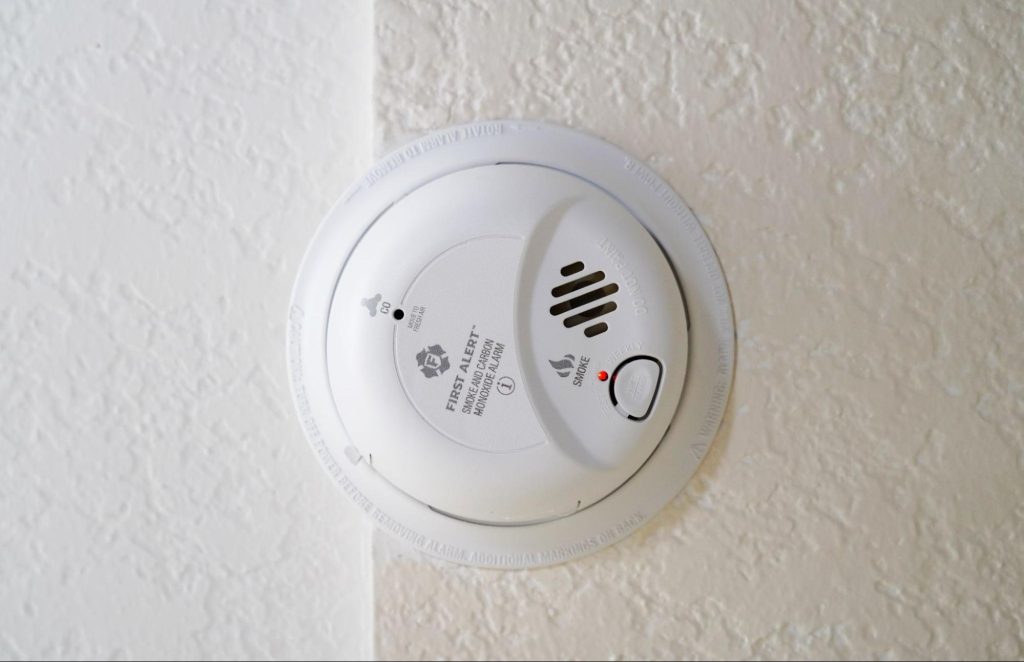
Smoke alarms provide essential early warning for residents, but landlords also need a reliable way to ensure the correct alarms are installed, functioning, and checked at the right time.
Landlords must meet specific smoke alarm requirements within rental properties. Day-to-day compliance involves more than installation: alarms need to work at the start of a new tenancy, reported faults need prompt attention, and clear records can help property managers maintain oversight across larger portfolios.
This article explains the practical smoke alarm requirements landlords need to follow, where alarms should be installed, who is responsible during a tenancy, and how organisations can manage compliance across multiple residential properties.
Smoke Alarm Requirements for Rental Properties
Landlords need to provide the right alarms in the right locations to give residents effective warning of fire or carbon monoxide.
In England, rental properties must have at least one smoke alarm on every storey used as living accommodation. A carbon monoxide alarm is also required in any room containing a fixed combustion appliance, excluding gas cookers.
The requirements apply across both private and social rented housing, making consistent alarm provision particularly important for housing associations, managing agents and landlords responsible for larger property portfolios.
These requirements are set out in the Smoke and Carbon Monoxide Alarm (England) Regulations 2015, as amended in 2022. The Housing Act 2004 also forms part of the wider safety framework for rented housing, particularly for HMOs and housing hazards. Additional requirements may therefore apply depending on the property and its occupancy.
For further guidance, read our article on Smoke Alarm Requirements for HMOs.
Where Should Smoke Alarms Be Installed?
Landlords must install at least one smoke alarm on every storey of a residential property where there is living accommodation.
Typical locations include:
- Hallways
- Landings
- Ground-floor living accommodation
- Upper storeys used for living accommodation
Smoke alarms are typically ceiling-mounted and should be installed in accordance with the manufacturer’s instructions. Their position should allow them to provide effective warning without walls, light fittings or ventilation openings interfering with their performance.
Where Should Carbon Monoxide Alarms Be Installed?
Carbon monoxide alarms are required in every room containing a fixed combustion appliance, helping to protect occupants from the risks associated with carbon monoxide exposure.
This typically includes rooms containing:
- Gas boilers
- Wood-burning stoves
- Open fires
- Biomass appliances
Gas cookers are excluded from this specific legal requirement.
Carbon monoxide alarms should be installed in accordance with the manufacturer’s instructions, including the recommended mounting position and distance from the appliance.
What Are a Landlord’s Responsibilities for Smoke Alarms?
Landlords need to manage smoke alarms throughout the letting process. The main responsibilities are straightforward: provide the required alarms, check them at the start of a new tenancy and respond when a fault is reported.
Install the Required Alarms
Every qualifying rental property should have at least one smoke alarm on every storey used as living accommodation and a carbon monoxide alarm in every room containing a fixed combustion appliance, excluding gas cookers.
Test Alarms at the Start of a New Tenancy
Each prescribed smoke alarm and carbon monoxide alarm must be checked to confirm it is in proper working order on the first day of every new tenancy.
Professional smoke alarm testing can also help housing providers and property managers identify faults and maintain accurate testing records across larger residential portfolios.
Respond to Faulty Alarms
Residents should have a clear way to report faulty or damaged alarms. Once a landlord has been informed that a prescribed alarm is faulty, the issue should be investigated and the alarm repaired or replaced as soon as reasonably practicable.
Clear reporting processes are particularly important across larger portfolios, where faults may otherwise be difficult for compliance teams to track from initial report through to completion.
Maintain Clear Records Across the Portfolio
Housing associations, managing agents and organisations responsible for multiple residential properties can support compliance with accurate testing records and asset information.
Records can help teams monitor:
- Which alarms are installed at each property
- When alarms were last tested
- Faults identified or reported
- Repairs or replacements required
- Actions completed following a reported fault
- Alarm replacement dates where relevant
Central oversight makes it easier to identify outstanding issues and demonstrate that smoke alarm requirements are being actively managed across the portfolio.
Who Is Responsible for Smoke Alarms During a Tenancy?
Landlords and tenants have different responsibilities once a tenancy has started.
Landlords are responsible for:
- Installing the required smoke and carbon monoxide alarms
- Checking each prescribed alarm is working at the start of every new tenancy
- Repairing or replacing faulty prescribed alarms once they have been informed of a problem
Tenants should:
- Test alarms periodically during the tenancy where appropriate
- Report faulty or damaged alarms to the landlord as soon as reasonably practicable
- Avoid damaging alarms or removing batteries where fitted
Clear communication helps faults reach the property management team quickly. Residents should know how to report an alarm problem, while landlords and managing agents should have a process for recording the issue and tracking the required action.
Smoke Alarm Requirements in Scotland
Requirements differ in Scotland. Domestic properties generally need:
- One smoke alarm in the room most frequently used for general daytime living
- One smoke alarm in every circulation space on each storey, such as hallways and landings
- One heat alarm in every kitchen
- Smoke and heat alarms to be ceiling-mounted and interlinked
These requirements form part of the Scottish Tolerable Standard. Landlords, housing associations and managing agents with properties in Scotland should therefore account for the different alarm requirements when managing compliance across UK-wide portfolios.
Managing Smoke Alarm Compliance in Social Housing
Registered providers of social housing in England are subject to the Smoke and Carbon Monoxide Alarm Regulations, but managing these requirements across larger housing portfolios creates additional practical challenges.
Housing associations need clear oversight of alarm testing, reported faults, and completed remedial actions across their properties. Effective processes can help compliance teams:
- Maintain accurate records for each property
- Track testing completed at the start of new tenancies
- Record faults reported by residents
- Monitor outstanding repairs or replacements
- Confirm remedial actions have been completed
- Identify gaps in testing or property records
Social landlords are also required to meet all applicable statutory requirements that protect the health and safety of occupants in their homes.
A consistent approach gives property and compliance teams greater visibility across their housing stock and helps ensure reported alarm faults are followed through to completion. Smoke alarm testing can also form part of a wider programme of fire safety testing and inspections across residential buildings.
Need Smoke Alarm Testing Services?
Osterna supports housing associations, managing agents, local authorities, and large private landlords with professional smoke alarm testing and wider fire safety compliance services across the UK.
Our planned inspection and testing programmes help organisations verify smoke alarms are operating correctly, identify faults early, and maintain reliable fire detection across residential portfolios.
What Happens if a Landlord Doesn’t Comply?
Failure to meet smoke and carbon monoxide alarm requirements may result in enforcement action by the relevant local housing authority.
A landlord who fails to install a required alarm or address a faulty prescribed alarm after being notified may receive a remedial notice. Failure to comply can result in the local authority arranging the necessary work, recovering its costs and imposing a civil penalty of up to £5,000.
Missing or faulty alarms can also leave residents without effective early warning in the event of a fire or carbon monoxide incident. Prompt testing, fault reporting and remedial action therefore support both compliance and resident safety.
Maintaining Reliable Smoke Alarm Protection
Smoke alarms need to remain operational throughout their service life to provide residents with effective early warning of fire. Regular testing helps identify faults, damaged alarms and other issues that could affect their performance.
Osterna works with housing associations, managing agents, local authorities, freeholders, and large private landlords across the UK, delivering professional smoke alarm testing alongside Fire Risk Assessments, fire door inspections, fire safety testing and inspections, and wider building compliance services.
Speak to the Osterna team to discuss your smoke alarm testing and compliance requirements.
Frequently Asked Questions
Landlords in England must provide at least one smoke alarm on every storey used as living accommodation and a carbon monoxide alarm in any room containing a fixed combustion appliance, excluding gas cookers.
Battery-powered or mains-powered alarms can be used, provided they are suitable for the property and meet the applicable requirements.
Yes. The regulations require landlords to check that every installed smoke detector and carbon monoxide alarm is working on the first day of each new tenancy. If a tenant later reports a fault, the landlord must repair or replace the alarm as soon as reasonably practicable.
The regulations do not prescribe a specific type of smoke alarm. Landlords should select alarms that are suitable for the property and install them in accordance with the manufacturer’s instructions and any applicable British Standards.
Yes. Since 1 October 2022, the Smoke and Carbon Monoxide Alarm Regulations have also applied to registered providers of social housing in England, bringing their responsibilities into line with those for most privately rented properties.
Every social landlord must ensure the required alarm is installed, tested at the start of a new tenancy, and repaired or replaced where faults are reported.
If a landlord fails to comply with the regulations, the local housing authority may issue a remedial notice requiring the necessary work to be completed. Where the notice is not complied with, the authority may arrange for the required alarm to be installed or repaired, recover its costs, and impose a civil penalty of up to £5,000.
Related articles
-
How Often Should Fire Extinguishers Be Inspected?
Routine fire extinguisher inspections help identify defects before they affect emergency response. This guide explains inspection frequencies, responsibilities, what to check, and how inspections support fire safety compliance.
-
Fire Extinguisher Maintenance Explained: Inspection, Testing and Servicing
Fire extinguishers require more than annual servicing to remain effective in an emergency. This guide explains fire extinguisher maintenance requirements, including routine inspections, professional servicing, testing, legal responsibilities, and the role of BS 5306 in supporting fire safety compliance.
-
Emergency Lighting Regulations: A Guide for UK Responsible Persons
Emergency lighting helps occupants evacuate safely when normal lighting fails, but many Responsible Persons are unsure which regulations apply. This guide explains UK emergency lighting legislation, the role of BS 5266, where emergency lighting is required, and how it supports wider fire safety compliance.
-
Dry Riser Testing Regulations: What Building Owners Need to Know
Dry riser testing is essential for maintaining reliable firefighting systems within residential and commercial buildings. This guide explains the legislation and British Standards governing dry riser inspection and pressure testing, recommended testing frequencies, Responsible Person responsibilities, common defects, and how planned maintenance supports ongoing fire safety compliance.
-
How Often Should Emergency Lighting Be Tested?
Emergency lighting testing helps ensure escape routes remain illuminated during a fire or power failure. This guide explains the monthly and annual testing routine required under BS 5266, who’s responsible, and what the law expects from Responsible Persons.
-
How Much Does Fire Extinguisher Inspection Cost?
Fire extinguisher inspection costs vary depending on the number of extinguishers, building complexity, servicing requirements, and reporting needs. This guide explains the factors that influence pricing, what’s included within a professional inspection service, and how to obtain an accurate quotation.
-
Fire Extinguisher Inspection Checklist: What’s Included
A fire extinguisher inspection helps ensure portable firefighting equipment remains accessible, operational, and ready for use. This guide explains what a fire extinguisher inspection is, what’s included in a typical inspection checklist, and the key checks Responsible Persons should carry out as part of an effective fire safety maintenance programme.
-
A Guide to Fire Risk Assessments for Landlords
Not every landlord needs a fire risk assessment, but misunderstanding where the legal duty applies can create significant compliance risks. Discover which properties require an assessment, the legislation involved, and what landlords need to do to meet their fire safety responsibilities.
-
A Guide to HMO Fire Risk Assessment Requirements
Many HMO landlords understand they have fire safety responsibilities, but fewer are clear on exactly what the law requires. Misunderstanding those duties can lead to compliance issues, licensing problems, and increased risk to residents. This guide explains the fire risk assessment requirements that apply to HMOs and what landlords and managing agents need to do in practice.
-
What Is the Difference Between a PCFRA and a PEEP?
A Person-Centred Fire Risk Assessment and a Personal Emergency Evacuation Plan are often confused, but they are designed to achieve different outcomes. This guide explains the key differences, when each is appropriate, and how they work together to support fire safety within residential buildings.