How Much Does Fire Extinguisher Inspection Cost?
23 Sep 2026 | By Danielle Naylor
Fire extinguisher inspection costs vary depending on the number of extinguishers, building complexity, servicing requirements, and reporting needs. This guide explains the factors that influence pricing, what's included within a professional inspection service, and how to obtain an accurate quotation.
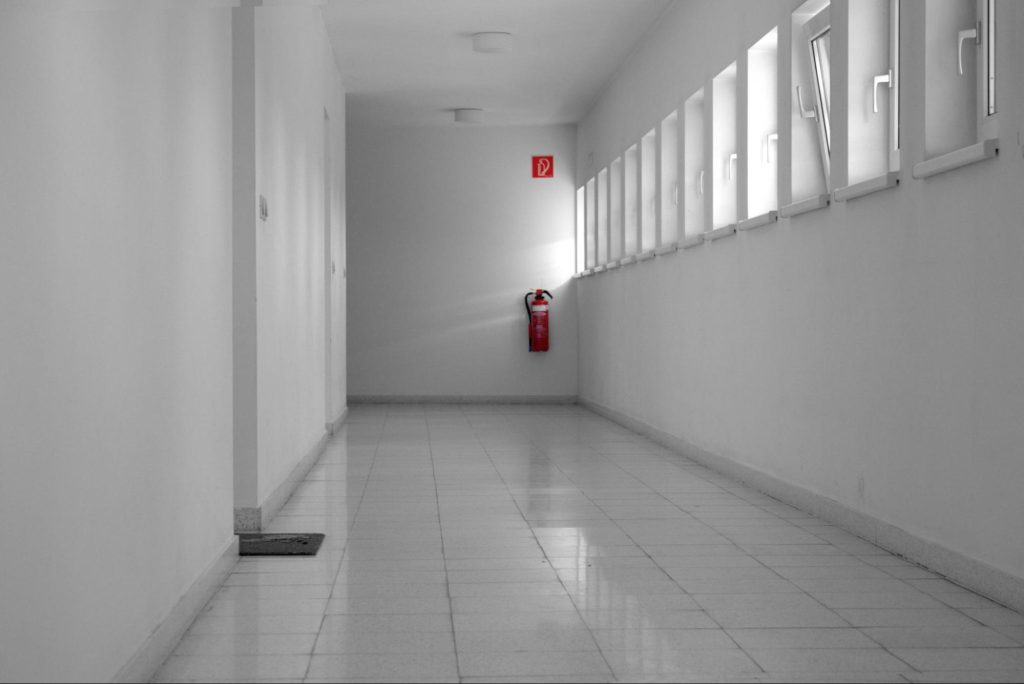
Fire extinguisher inspections form an important part of maintaining compliant residential buildings and demonstrating effective fire safety management. Inspection costs vary according to the size of your portfolio, the number of extinguishers, building locations, and the level of service required. A clear understanding of these factors helps you compare quotations and plan ongoing inspection programmes.
This guide explains what affects fire extinguisher inspection costs, what’s typically included within the service, and the factors organisations should consider when requesting a quotation.
What Does the Inspection Cost Cover?
The cost of a professional fire extinguisher inspection typically covers the inspection itself, the time required to assess each fire extinguisher, and any associated reporting. Depending on the scope of the service, it may also include annual servicing, maintenance recommendations, digital compliance records, or portfolio-wide reporting carried out by a competent fire extinguisher technician.
Professional inspections also support Responsible Persons in meeting their duties under the Regulatory Reform (Fire Safety) Order 2005 in England and Wales and the Fire (Scotland) Act 2005 and Fire Safety (Scotland) Regulations 2006 in Scotland.
For a detailed breakdown of the checks completed during a routine inspection, read our Fire Extinguisher Inspection Checklist guide.
What Affects the Cost of Professional Fire Extinguisher Inspections?
There is no fixed national price for professional fire extinguisher inspections or annual servicing. The overall cost will depend on the number and type of extinguishers, the complexity of your buildings, the level of maintenance required, and the scope of the service being delivered by a competent fire extinguisher technician.
Number of Fire Extinguishers
The number of extinguishers requiring inspection and servicing is one of the biggest factors affecting cost. Larger residential portfolios can often benefit from lower costs per extinguisher, while smaller sites may be subject to a minimum call-out charge.
Type and Size of Fire Extinguishers
The type of extinguisher can also influence pricing. Standard water, foam, and CO₂ extinguishers are generally quicker to inspect and service than larger capacity units or specialist extinguishers, which may require additional maintenance or testing.
Annual Servicing or Extended Maintenance
Not every visit involves the same level of work. An annual inspection and service carried out by a competent fire extinguisher technician is typically less extensive than a five-year extended service or a ten-year overhaul for CO₂ extinguishers, both of which require additional testing and maintenance in accordance with BS 5306-3.
Replacement Parts and Repairs
If defects are identified during the inspection, replacement components such as safety pins, tamper seals, O-rings, hoses, or pressure gauges may be required. Where an extinguisher is beyond economical repair, replacement costs may also need to be considered.
Number of Buildings and Site Access
The size and layout of your portfolio can also affect the overall quotation. High-rise developments, mixed-use buildings, secure plant rooms, restricted-access areas, travel time, and parking arrangements may all influence the time required to complete the inspection programme.
Reporting and Compliance Requirements
Many housing associations, managing agents, and Responsible Persons require more than a basic inspection. Digital asset registers, compliance reporting, remedial recommendations, and portfolio-wide documentation can all form part of the service and may influence the final cost.
What Should You Look for Beyond Price?
The lowest quotation doesn’t always represent the best value. A lower-cost inspection may exclude detailed reporting, maintenance recommendations, or the level of oversight needed to manage fire safety effectively across a residential portfolio.
When comparing providers, consider whether the service includes:
- Clear inspection records and asset registers
- Identification of defects and recommended remedial actions
- Annual servicing completed by a competent fire extinguisher technician
- Portfolio-wide reporting across multiple buildings
- Support for wider fire safety compliance and maintenance planning
A well-managed inspection programme helps you identify issues early, maintain accurate compliance records, and plan maintenance more effectively across your buildings.
Why Choose Professional Fire Extinguisher Inspection Services?
Routine visual inspections carried out by the Responsible Person play an important role in identifying obvious defects, but they do not replace a professional inspection carried out by a competent fire extinguisher technician.
Professional inspections provide a more detailed assessment of each extinguisher’s condition, service history, and continued suitability for the fire risks within the building. They can also identify issues that may not be apparent during routine visual checks, helping Responsible Persons address defects before they affect the performance of fire safety equipment.
Failing to maintain an appropriate inspection and servicing programme can increase the risk of defects going unnoticed, create gaps in compliance records, and make it more difficult to demonstrate that portable fire extinguishers are being maintained in accordance with fire safety legislation and recognised guidance. Depending on the circumstances, this may also result in enforcement action, increased liability following a fire, or issues with insurance requirements.
For more information about servicing requirements and the risks of neglected maintenance, read our article: Fire Extinguisher Maintenance Explained: Inspection, Testing and Servicing.
Can Combining Fire Safety Services Reduce Costs?
Many organisations find that arranging several fire safety services at the same time reduces repeat site visits, makes compliance records easier to manage, and provides a clearer view of maintenance requirements across their buildings.
Depending on your buildings and compliance requirements, organisations often combine fire extinguisher inspections with:
- Fire alarm testing
- Emergency lighting testing
- Fire door inspections
- Fire Risk Assessments
- Wider fire safety testing and inspections
This approach can reduce repeat contractor visits, simplify compliance management, and provide better visibility of fire safety maintenance requirements across your residential portfolio.
How to Obtain an Accurate Fire Extinguisher Inspection Quote
Professional fire extinguisher inspections are priced according to the size of your portfolio, the number of extinguishers, and the scope of the work involved. Providing clear information at the outset allows providers to prepare a quotation that reflects the inspection and maintenance requirements of your buildings.
When requesting a quotation, it’s helpful to provide:
- The number of buildings within your portfolio
- The approximate number and types of fire extinguishers
- Building types, heights, and locations
- Whether annual servicing or extended maintenance is required
- Any reporting or compliance requirements
The more information you can provide, the more accurately the quotation can reflect the work required.
Need Fire Extinguisher Inspection Services?
Osterna supports housing associations, managing agents, and large private landlords with professional fire extinguisher inspections and wider fire safety compliance services across the UK.
Our planned inspection programmes help organisations identify defects early, maintain compliant fire safety equipment, and identify maintenance requirements before they become larger compliance issues.
Why Professional Fire Extinguisher Inspections Offer Long-Term Value
Housing associations, managing agents, freeholders, and Responsible Persons benefit from planned fire extinguisher inspection programmes that provide greater visibility of fire safety assets, support more accurate maintenance planning, and help avoid unexpected equipment failures.
A structured inspection programme also gives organisations the information they need to prioritise remedial works, forecast maintenance costs, and demonstrate effective oversight of fire safety equipment across their residential portfolios.
Managing Fire Extinguisher Compliance Across Residential Buildings
Portable fire extinguishers require regular inspection, servicing, and maintenance to remain ready for use and support wider fire safety compliance. A structured inspection programme provides organisations with clear records, practical maintenance recommendations, and greater visibility of fire safety equipment across their buildings.
Osterna works with housing associations, managing agents, freeholders, local authorities, employers, and large private landlords across the UK, delivering professional fire extinguisher inspections alongside Fire Risk Assessments, fire safety testing and inspections, fire alarm testing, emergency lighting testing, fire door inspections, and wider building compliance services.
Get in touch with the Osterna team to discuss your fire extinguisher inspection requirements.
Frequently Asked Questions
Not usually. The fire extinguisher service cost generally covers the inspection or annual service itself. If an extinguisher has been discharged, damaged, or reaches the point where a refill or replacement is required, these works are typically quoted separately.
Yes. Many housing associations, managing agents, and freeholders combine fire extinguisher inspections with other fire protection services, including fire alarm testing, emergency lighting testing, fire door inspections, and Fire Risk Assessments. Coordinating services can reduce repeat site visits and provide a more efficient approach to compliance management.
Following servicing, organisations should check that each extinguisher has been returned to its designated location and that the service label has been updated with the inspection date and any maintenance completed. Inspection records should also be retained as part of the building’s wider fire safety documentation.
Related articles
-
Smoke Alarm Regulations for Landlords
Smoke alarm regulations require landlords to install, test, and maintain smoke and carbon monoxide alarms in qualifying rental properties. This article explains the legal requirements, landlord responsibilities, smoke alarm testing, HMO considerations, and the differences between England and Scotland.
-
How Often Should Fire Extinguishers Be Inspected?
Routine fire extinguisher inspections help identify defects before they affect emergency response. This guide explains inspection frequencies, responsibilities, what to check, and how inspections support fire safety compliance.
-
Fire Extinguisher Maintenance Explained: Inspection, Testing and Servicing
Fire extinguishers require more than annual servicing to remain effective in an emergency. This guide explains fire extinguisher maintenance requirements, including routine inspections, professional servicing, testing, legal responsibilities, and the role of BS 5306 in supporting fire safety compliance.
-
Emergency Lighting Regulations: A Guide for UK Responsible Persons
Emergency lighting helps occupants evacuate safely when normal lighting fails, but many Responsible Persons are unsure which regulations apply. This guide explains UK emergency lighting legislation, the role of BS 5266, where emergency lighting is required, and how it supports wider fire safety compliance.
-
Dry Riser Testing Regulations: What Building Owners Need to Know
Dry riser testing is essential for maintaining reliable firefighting systems within residential and commercial buildings. This guide explains the legislation and British Standards governing dry riser inspection and pressure testing, recommended testing frequencies, Responsible Person responsibilities, common defects, and how planned maintenance supports ongoing fire safety compliance.
-
How Often Should Emergency Lighting Be Tested?
Emergency lighting testing helps ensure escape routes remain illuminated during a fire or power failure. This guide explains the monthly and annual testing routine required under BS 5266, who’s responsible, and what the law expects from Responsible Persons.
-
Fire Extinguisher Inspection Checklist: What’s Included
A fire extinguisher inspection helps ensure portable firefighting equipment remains accessible, operational, and ready for use. This guide explains what a fire extinguisher inspection is, what’s included in a typical inspection checklist, and the key checks Responsible Persons should carry out as part of an effective fire safety maintenance programme.
-
A Guide to Fire Risk Assessments for Landlords
Not every landlord needs a fire risk assessment, but misunderstanding where the legal duty applies can create significant compliance risks. Discover which properties require an assessment, the legislation involved, and what landlords need to do to meet their fire safety responsibilities.
-
A Guide to HMO Fire Risk Assessment Requirements
Many HMO landlords understand they have fire safety responsibilities, but fewer are clear on exactly what the law requires. Misunderstanding those duties can lead to compliance issues, licensing problems, and increased risk to residents. This guide explains the fire risk assessment requirements that apply to HMOs and what landlords and managing agents need to do in practice.
-
What Is the Difference Between a PCFRA and a PEEP?
A Person-Centred Fire Risk Assessment and a Personal Emergency Evacuation Plan are often confused, but they are designed to achieve different outcomes. This guide explains the key differences, when each is appropriate, and how they work together to support fire safety within residential buildings.