Fire Extinguisher Inspection Checklist: What’s Included
23 Sep 2026 | By Danielle Naylor
A fire extinguisher inspection helps ensure portable firefighting equipment remains accessible, operational, and ready for use. This guide explains what a fire extinguisher inspection is, what's included in a typical inspection checklist, and the key checks Responsible Persons should carry out as part of an effective fire safety maintenance programme.

Fire extinguishers are only effective if they are correctly maintained and ready for use. Routine inspections help housing associations, managing agents, freeholders, and Responsible Persons identify faults early, maintain compliance, and ensure firefighting equipment remains operational.
This guide explains what a fire extinguisher inspection is and outlines what Responsible Persons should look for during routine monthly inspections.
What Is a Fire Extinguisher Inspection?
A fire extinguisher inspection is a systematic check to confirm that portable fire extinguishers remain correctly positioned, undamaged, fully operational, and ready for use in an emergency.
There are two main types of inspection:
- Routine visual inspections, typically carried out by a Responsible Person or nominated member of staff.
- Annual servicing, undertaken by a competent fire extinguisher engineer in accordance with BS 5306-3.
Routine inspections are designed to identify obvious issues such as damage, missing extinguishers, pressure loss, or signs of accidental discharge between professional servicing visits.
For buildings in England and Wales, the Regulatory Reform (Fire Safety) Order 2005 requires Responsible Persons to ensure firefighting equipment is maintained in an efficient state, in efficient working order, and in good repair. Equivalent duties apply in Scotland under the Fire (Scotland) Act 2005 and the Fire Safety (Scotland) Regulations 2006.
Fire Extinguisher Inspection Checklist
Routine monthly inspections form just one part of an effective fire extinguisher maintenance programme. They help identify obvious defects between annual services, which should be carried out by a competent fire extinguisher technician in accordance with BS 5306-3.
The checklist below covers the key areas that Responsible Persons should review during monthly visual inspections.
- Check the Location and Accessibility
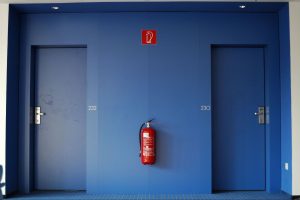
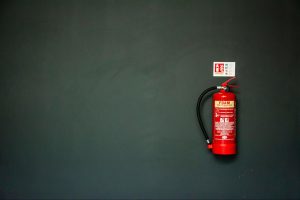
Start by confirming the extinguisher is still in its designated position. It should be clearly visible, easy to reach, and free from any obstruction.
Look for:
- Boxes, furniture, or stored materials blocking access
- Missing or damaged fire extinguisher signage
- Extinguishers that have been removed or relocated
- Incorrect mounting height or insecure wall brackets
An extinguisher that cannot be found or accessed quickly is unlikely to be effective during an emergency.
- Check the Pressure (or Weight)
Most water, foam, and wet chemical extinguishers include a pressure gauge. The needle should sit within the green operating zone, indicating the extinguisher remains correctly pressurised.
For CO₂ extinguishers, there is no pressure gauge. Instead, check that the unit still feels full and shows no signs of discharge or damage. Any noticeable loss of weight should be investigated by a competent fire extinguisher technician.
- Inspect the Overall Condition
Take a few moments to inspect the extinguisher itself.
Check for:
- Corrosion or rust
- Dents or cracks
- Damage to the hose or nozzle
- Leaks
- Missing or damaged operating handles
You should also ensure the operating instructions remain clean, legible, and facing outwards so they can be read easily during an emergency.
- Check the Safety Pin and Tamper Seal
Every extinguisher should have its safety pin fitted securely with the tamper seal intact.
If the seal is broken or missing, it may indicate the extinguisher has been discharged or tampered with. Even if there are no obvious signs of use, the extinguisher should be investigated before remaining in service.
- Review the Service Label and Maintenance Records
Routine inspections should confirm that each extinguisher has also received its scheduled annual maintenance.
Check that:
- The annual service label is present and legible
- A competent fire extinguisher technician has serviced the extinguisher within the previous 12 months
- Maintenance records match the service label
- There are no outstanding defects or recommendations requiring attention
If the annual service is overdue, arrange professional maintenance as soon as possible. Monthly inspections support ongoing fire extinguisher maintenance, but they do not replace the detailed checks completed during annual servicing.
Depending on the extinguisher type, extended servicing or pressure testing may also be required at manufacturer-recommended intervals.
- Make Sure the Extinguisher Matches the Risk
A monthly inspection is also a good opportunity to confirm the correct extinguisher remains installed for the hazards present.
For example:
- Water extinguishers are typically used in communal areas.
- CO₂ extinguishers are commonly located alongside electrical equipment.
- Wet chemical extinguishers are intended for communal kitchens or catering facilities.
If the building has changed use since the extinguisher was installed, the fire risks should be reviewed.
- Look for Signs of Use
An extinguisher does not need to be completely empty to require attention.
Check for:
- Broken tamper seals
- Missing safety pins
- Powder residue
- Water staining
- Signs of leakage
- Evidence the extinguisher has been partially discharged
Any extinguisher showing signs of use should be removed from service until it has been inspected by a competent person.
- Record the Inspection
Finally, record that the inspection has been completed.
Inspection records should include:
- The inspection date
- The name of the person completing the check
- Any defects identified
- Any corrective actions taken
Maintaining accurate records demonstrates that fire extinguishers are being actively managed and provides an audit trail should the Fire and Rescue Service or insurers request evidence of your fire safety arrangements.
- Arrange Maintenance Where Required
A monthly inspection should identify defects, but it should not attempt to repair them. If you identify damage, pressure loss, missing safety devices, corrosion, or evidence of discharge, arrange maintenance by a competent fire extinguisher technician without unnecessary delay.
Routine inspections, annual servicing, and extended maintenance all work together to ensure portable fire extinguishers remain compliant and ready for use in an emergency.
Fire Extinguisher Inspection Checklist Summary
During each monthly inspection, confirm that:
Location
□ Extinguisher is in its designated location
□ Access is unobstructed
□ Signage is present
□ Mounting bracket is secure
Condition
□ Pressure gauge is within the green zone (where applicable)
□ CO₂ extinguisher shows no signs of damage or loss of weight
□ Cylinder is free from damage or corrosion
□ Hose and nozzle are undamaged
□ Safety pin and tamper seal are intact
Maintenance
□ Annual service label is up to date
□ No evidence of discharge
□ Inspection has been recorded
Use this checklist as a quick reference during routine monthly visual inspections to help confirm each fire extinguisher remains accessible, correctly maintained, and ready for use.
Why Regular Fire Extinguisher Inspections Matter
Routine inspections identify faults before they compromise the effectiveness of fire safety equipment during an emergency.
For organisations managing residential portfolios, consistent inspection programmes help:
- Identify faults before annual servicing.
- Reduce the likelihood of equipment failure.
- Demonstrate ongoing compliance with fire safety legislation.
- Maintain accurate maintenance records.
- Support wider Fire Risk Assessment recommendations.
- Protect residents, visitors, and contractors.
Unlike annual servicing, which focuses on the technical condition of the extinguisher, routine inspections provide ongoing oversight throughout the year.
Need Fire Extinguisher Inspection Services?
Osterna supports housing associations, managing agents, and large private landlords with professional fire extinguisher inspections and wider fire safety compliance services across the UK.
Our planned inspection programmes help organisations identify defects early, keep portable fire extinguishers in good working order, and support wider building compliance across residential portfolios.
Supporting Ongoing Fire Extinguisher Compliance
Routine fire extinguisher inspections form an important part of maintaining effective fire safety management across residential buildings. Responsible Persons must ensure portable fire extinguishers remain suitable for the premises, are appropriately inspected, tested, and serviced, and continue to provide effective first-aid firefighting equipment where required.
If you are responsible for fire extinguisher compliance across residential portfolios and need an experienced provider, Osterna can help.
We work with housing associations, managing agents, freeholders, local authorities, employers, and large private landlords across the UK, delivering fire extinguisher inspections, fire safety testing and inspections, Fire Risk Assessments, fire alarm testing, emergency lighting testing, fire door inspections, and wider building compliance services.
Get in touch with the Osterna team today to discuss your fire extinguisher inspection requirements.
Frequently Asked Questions
Under the Regulatory Reform (Fire Safety) Order 2005, Responsible Persons must ensure portable fire extinguishers are maintained in an efficient state, in efficient working order, and in good repair.
Although the legislation does not prescribe specific inspection frequencies, BS 5306-3 recommends monthly visual inspections by the Responsible Person or a nominated representative, together with annual servicing by a competent fire extinguisher technician.
Routine monthly inspections can usually be completed by the Responsible Person or a nominated representative who has received appropriate instruction, such as a facilities team member, building manager, or site caretaker. In residential buildings, tenants are not typically responsible for inspecting fire extinguishers located within communal areas.
A routine monthly inspection usually takes only a few minutes per extinguisher. The inspection involves visual checks to confirm the extinguisher remains in its designated location, is unobstructed, shows no obvious signs of damage, has the correct operating pressure where applicable, and remains within its service period. Larger premises or residential portfolios will naturally take longer depending on the number of extinguishers being inspected.
Rather than looking for an expiry date, check the manufacturer’s information, service label, and maintenance history. A competent fire extinguisher technician can confirm whether the extinguisher remains suitable for continued use or has reached the end of its serviceable life in accordance with BS 5306-3 and the manufacturer’s recommendations.
With appropriate maintenance, a CO₂ fire extinguisher can remain in service for many years. It should receive an annual service by a competent fire extinguisher technician and, in accordance with BS 5306-3, typically requires a hydraulic pressure test every 10 years to confirm the cylinder remains safe and suitable for continued use.
Related articles
-
Smoke Alarm Regulations for Landlords
Smoke alarm regulations require landlords to install, test, and maintain smoke and carbon monoxide alarms in qualifying rental properties. This article explains the legal requirements, landlord responsibilities, smoke alarm testing, HMO considerations, and the differences between England and Scotland.
-
How Often Should Fire Extinguishers Be Inspected?
Routine fire extinguisher inspections help identify defects before they affect emergency response. This guide explains inspection frequencies, responsibilities, what to check, and how inspections support fire safety compliance.
-
Fire Extinguisher Maintenance Explained: Inspection, Testing and Servicing
Fire extinguishers require more than annual servicing to remain effective in an emergency. This guide explains fire extinguisher maintenance requirements, including routine inspections, professional servicing, testing, legal responsibilities, and the role of BS 5306 in supporting fire safety compliance.
-
Emergency Lighting Regulations: A Guide for UK Responsible Persons
Emergency lighting helps occupants evacuate safely when normal lighting fails, but many Responsible Persons are unsure which regulations apply. This guide explains UK emergency lighting legislation, the role of BS 5266, where emergency lighting is required, and how it supports wider fire safety compliance.
-
Dry Riser Testing Regulations: What Building Owners Need to Know
Dry riser testing is essential for maintaining reliable firefighting systems within residential and commercial buildings. This guide explains the legislation and British Standards governing dry riser inspection and pressure testing, recommended testing frequencies, Responsible Person responsibilities, common defects, and how planned maintenance supports ongoing fire safety compliance.
-
How Often Should Emergency Lighting Be Tested?
Emergency lighting testing helps ensure escape routes remain illuminated during a fire or power failure. This guide explains the monthly and annual testing routine required under BS 5266, who’s responsible, and what the law expects from Responsible Persons.
-
How Much Does Fire Extinguisher Inspection Cost?
Fire extinguisher inspection costs vary depending on the number of extinguishers, building complexity, servicing requirements, and reporting needs. This guide explains the factors that influence pricing, what’s included within a professional inspection service, and how to obtain an accurate quotation.
-
A Guide to Fire Risk Assessments for Landlords
Not every landlord needs a fire risk assessment, but misunderstanding where the legal duty applies can create significant compliance risks. Discover which properties require an assessment, the legislation involved, and what landlords need to do to meet their fire safety responsibilities.
-
A Guide to HMO Fire Risk Assessment Requirements
Many HMO landlords understand they have fire safety responsibilities, but fewer are clear on exactly what the law requires. Misunderstanding those duties can lead to compliance issues, licensing problems, and increased risk to residents. This guide explains the fire risk assessment requirements that apply to HMOs and what landlords and managing agents need to do in practice.
-
What Is the Difference Between a PCFRA and a PEEP?
A Person-Centred Fire Risk Assessment and a Personal Emergency Evacuation Plan are often confused, but they are designed to achieve different outcomes. This guide explains the key differences, when each is appropriate, and how they work together to support fire safety within residential buildings.