Building Safety Act: What Housing Associations Need to Know
12 Nov 2026 | By Ron Fellowes MIFSM, GIFireE, CertNCRQ
The Building Safety Act has introduced significant responsibilities for organisations that own and manage residential buildings. This guide explains what housing associations need to know about higher-risk buildings, Accountable Persons, Responsible Persons, building safety information, resident engagement and ongoing compliance.
The Building Safety Act 2022 applies to housing associations, although the requirements depend on the buildings they own or manage.
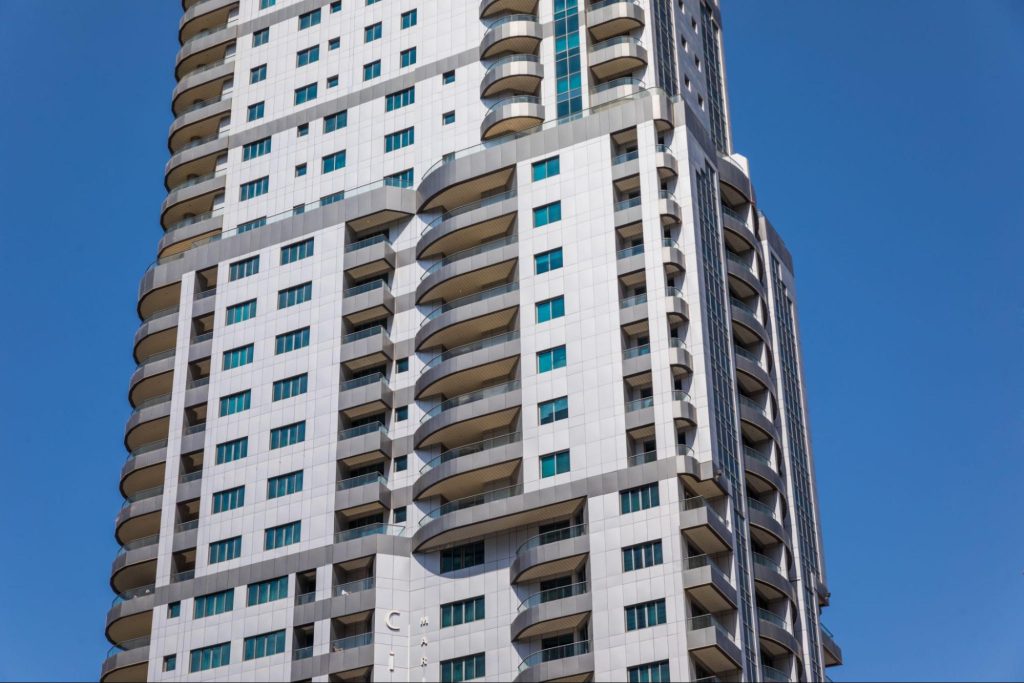
Housing associations that are Accountable Persons for occupied higher-risk buildings in England, generally those at least 18 metres tall or with seven or more storeys and containing at least two residential units, have additional duties. These include managing building safety risks, maintaining safety information and, where acting as the Principal Accountable Person, ensuring the building is registered with the Building Safety Regulator (BSR).
Housing associations responsible for buildings below these thresholds are still affected by wider changes to building control, fire safety, competence and accountability.
How Does the Building Safety Act Affect Housing Associations?
The Building Safety Act 2022 has changed how housing associations manage building safety, particularly across higher-risk residential buildings. It introduces specific duties for managing fire and structural safety risks, keeping building information and providing evidence of compliance.
Housing associations may have responsibilities because they own, manage, develop or carry out work on residential buildings. The requirements depend on the building, the work being undertaken and the organisation’s legal responsibilities.
Housing associations need to identify the requirements that apply to each building across their portfolio.
Does the Building Safety Act Apply to All Housing Association Properties?
The occupation-phase higher-risk building regime applies to residential buildings in England that meet the statutory criteria. Broadly, an occupied higher-risk building must:
- Be at least 18 metres high or have at least seven storeys
- Contain at least two residential units
These buildings are subject to additional requirements overseen by the Building Safety Regulator (BSR).
Housing below these thresholds is not necessarily outside the wider Building Safety Act framework. Changes to building regulations, building control and other requirements can affect residential buildings that are not classified as HRBs.
Housing associations should therefore understand which requirements apply across their stock rather than using 18 metres as the dividing line for all building safety responsibilities.
What Are the Main Building Safety Act Duties for Housing Associations?
Housing associations responsible for occupied higher-risk buildings may need to meet additional duties throughout the building’s occupation.
Depending on their role, these can include:
- Registering occupied higher-risk buildings with the BSR
- Assessing and managing fire spread and structural safety risks
- Maintaining the golden thread of information
- Preparing and maintaining a Safety Case Report
- Operating mandatory occurrence reporting
- Preparing and implementing a resident engagement strategy
- Providing required building safety information to residents
- Applying for a Building Assessment Certificate when directed by the BSR
- Cooperating and sharing information with other relevant dutyholders
Housing associations managing multiple buildings need processes for tracking statutory duties, inspections and outstanding actions at each property.
Inspections and reports must also lead to action. Fire safety defects, structural concerns and other significant findings should be prioritised, tracked and managed through to completion.
Who Is Responsible for Building Safety?
Housing associations need to establish who holds the legal responsibility for building safety, particularly where ownership, management and repairing obligations are shared between different organisations.
Three important roles may apply:
| Role | Who holds the responsibility? | Main duties |
| Accountable Person (AP) | An individual or organisation that owns or has a qualifying legal repairing obligation for the building’s common parts. | Assessing and managing fire spread and structural safety risks in the parts of the building for which they are responsible. |
| Principal Accountable Person (PAP) | The sole AP, or where there are multiple APs, the one identified under the statutory rules relating to the building’s structure and exterior. | Additional duties including registering the building with the BSR, preparing the Safety Case Report and coordinating building safety information. |
| Responsible Person (RP) | The person or organisation responsible for fire safety under the Regulatory Reform (Fire Safety) Order 2005. | Carrying out Fire Risk Assessments, implementing appropriate fire precautions and managing fire safety in the parts of the premises covered by the Order. |
An organisation may hold more than one role, but the legal duties are different. Appointing a managing agent or contractor to carry out work does not automatically transfer statutory responsibility.
Example: A Mixed-Tenure Residential Building
Consider a 14-storey block containing social housing and privately owned flats. A housing association owns the freehold, while a management company arranges repairs and maintenance to the building’s structure and communal areas.
Who is the Accountable Person?
The answer depends on the legal arrangements, not simply who organises the work.
If the management company carries out repairs under a management contract, this does not automatically make it an Accountable Person. The housing association may remain the Accountable Person and Principal Accountable Person.
However, if the management company has a qualifying repairing obligation under a lease, it may be an Accountable Person. The Principal Accountable Person must then be identified according to the statutory rules governing responsibility for the structure and exterior.
Housing associations should review the relevant leases, ownership arrangements and repairing obligations to establish who holds each role, rather than assuming the freeholder or day-to-day managing agent is automatically responsible.
What Does the Building Safety Act Mean for Managing Agents?
Managing agents can carry out building safety work on behalf of housing associations, but appointing an agent does not automatically transfer statutory responsibility.
A managing agent may coordinate inspections, contractors, remedial actions, resident communication and building records. The organisation holding the legal duty still needs sufficient oversight to know that those activities are being completed properly.
Contracts and management arrangements should therefore make clear:
- Who commissions inspections and assessments
- Who reviews and escalates significant findings
- Who manages remedial actions
- Who maintains building safety information
- Who communicates with residents
- Who responds to regulatory requests
- How information is shared between relevant dutyholders
Clear responsibilities become particularly important where a housing association, freeholder, managing agent and other organisations are involved in the same building.
How Does the Building Safety Act Affect Remediation?
Remediation can create operational and financial pressures for housing associations, particularly where buildings require extensive fire safety, cladding or structural work.
Housing associations need to establish what work is required, how it will be funded and whether costs can be recovered from other parties. The Building Safety Act also introduced leaseholder protections that restrict the circumstances in which certain historical building safety remediation costs can be passed on to qualifying leaseholders.
Building control requirements must also be considered before remediation begins on a higher-risk building. Certain work requires approval from the BSR, and housing associations should establish the correct regulatory route early enough to avoid delays once a project reaches delivery.
Remediation programmes should therefore bring together building safety, legal, financial and project management considerations rather than treating the work purely as a maintenance issue.
What Does the Building Safety Act Mean for Residents?
The Principal Accountable Person must prepare and maintain a resident engagement strategy setting out how residents will be informed about and involved in relevant building safety decisions.
Housing associations need practical arrangements for:
- Providing appropriate building safety information
- Consulting residents on relevant decisions
- Giving residents clear ways to raise safety concerns
- Managing building safety complaints
- Recording and responding to resident feedback
- Making communication accessible to the people living in the building
This is particularly important for social landlords because building safety sits alongside wider responsibilities for housing quality, transparency and resident services.
The Regulator of Social Housing also regulates registered providers against its consumer standards, including requirements relating to the quality and safety of homes. Housing associations therefore need to consider building safety as part of their wider approach to resident safety and regulatory compliance.
How Should Housing Associations Manage Building Safety Risks?
Accountable Persons for occupied higher-risk buildings must assess and manage building safety risks relating to the spread of fire and structural failure.
In practice, housing associations need reliable information about the condition of each building and the measures used to control those risks.
This may draw on:
- Fire Risk Assessments
- Fire door inspections
- Compartmentation surveys
- Structural assessments
- Inspection and maintenance records
- Details of previous alterations and refurbishment
- Remediation records
- Fire safety system testing
- Reports of defects or safety concerns
The important point is not simply to collect reports. Significant findings need to feed into decisions, remedial work and the building’s wider safety management arrangements.
Repeated defects across several buildings may also indicate a portfolio-wide issue with maintenance, contractor controls or asset information that requires a wider response.
What Does the Building Safety Act Mean for Fire Safety Compliance?
The Building Safety Act did not replace the Regulatory Reform (Fire Safety) Order 2005. Housing associations will also need to manage Building Safety Act duties alongside their existing fire safety responsibilities.
The Responsible Person under the Fire Safety Order must continue to manage fire safety in the parts of the premises covered by that legislation. This includes conducting and reviewing Fire Risk Assessments and implementing appropriate fire precautions.
Higher-risk buildings can also involve Accountable Persons with Building Safety Act responsibilities for fire spread and structural risks.
The two regimes overlap, which makes cooperation and information sharing important. Fire Risk Assessments, inspection findings and remedial work should not sit in separate compliance systems without a clear route for relevant information to reach those responsible for the wider building safety regime.
Need Support With Building Safety Compliance?
Osterna supports housing associations with Fire Risk Assessments, fire door inspections, compartmentation surveys and wider fire safety compliance across residential portfolios.
Clear inspection findings, reliable records and effective management of remedial actions can help housing associations meet their fire safety responsibilities and support wider Building Safety Act compliance.
What Is the Golden Thread of Information?
Housing associations responsible for higher-risk buildings need accurate and accessible information about how those buildings are designed, constructed and managed.
This information forms part of the golden thread.
For occupied higher-risk buildings, Accountable Persons and Principal Accountable Persons must keep specified building information digitally. Relevant records can include the Safety Case Report, resident engagement strategy, mandatory occurrence reporting arrangements and information about refurbishment and safety measures.
Housing associations should have clear controls for how information is created, updated, stored and shared. A large document repository is not enough if records are outdated, incomplete or difficult to retrieve.
What Has Changed for Housing Associations in 2026?
The Building Safety Act’s occupation-phase duties are in force, and housing associations must maintain compliance on an ongoing basis.
Building Assessment Certificate applications continue as the BSR assesses occupied higher-risk buildings. Housing associations acting as PAPs need to be ready to provide the required information when directed to apply.
Another change is the Building Safety Levy, which came into operation on 1 October 2026. The levy applies to certain building control applications and notices for residential development in England.
Non-profit registered providers of social housing, including housing associations, are exempt persons under the levy regulations. The position can differ for development structures such as joint ventures, so organisations should establish whether an exemption applies to the entity undertaking the development.
Housing associations should continue to monitor regulatory changes and BSR guidance as the regime develops.
What Should Housing Associations Prioritise?
A practical starting point is to establish whether the organisation has a clear picture of its buildings, responsibilities and outstanding safety risks.
Housing associations should be able to answer:
- Which buildings in the portfolio are higher-risk buildings?
- Who is the Accountable Person and Principal Accountable Person for each HRB?
- Who is the Responsible Person for fire safety?
- Are building registrations and required information current?
- Are fire and structural safety risks being actively managed?
- Is golden thread information accurate and accessible?
- Are Safety Case Reports current?
- Are significant inspection findings and remedial actions tracked to completion?
- Are resident engagement arrangements working in practice?
- Can compliance evidence be produced promptly if requested by the BSR?
Gaps in these areas can help identify where further work should be prioritised.
Managing Building Safety Across Housing Association Portfolios
The Building Safety Act has increased the level of accountability, information and evidence expected from organisations responsible for residential buildings.
Housing associations need to know which buildings fall within the higher-risk regime, identify the relevant dutyholders and connect fire safety, structural safety, resident engagement, remedial work and building information rather than managing each area in isolation.
A clear compliance framework also needs to work beyond individual buildings. Portfolio oversight can help housing associations identify recurring risks, monitor outstanding actions and provide reliable evidence when required.
Osterna supports housing associations with Fire Risk Assessments, fire door inspections, compartmentation surveys and wider fire safety compliance across residential portfolios.
Speak to the Osterna team about your building safety requirements.
Frequently Asked Questions
Housing associations have legal responsibilities for the safety and condition of the homes they provide. Their obligations arise under several areas of housing, building and health and safety law, with additional Building Safety Act duties applying where they are an Accountable Person or Principal Accountable Person for a higher-risk building.
Yes. Social housing providers can have duties under the Building Safety Act depending on the buildings they own or manage and their legal responsibilities. A housing association may, for example, be an Accountable Person or Principal Accountable Person for an occupied higher-risk building and must meet the duties associated with that role.
It depends on the type and use of the accommodation and which part of the Building Safety Act regime is being considered. Some types of accommodation are excluded from the higher-risk building regime, while others may fall within scope if they meet the relevant criteria. Housing associations should assess each building individually rather than assuming that all supported or temporary accommodation is treated in the same way.
During occupation, a higher-risk building in England is generally a high-rise residential building that is at least 18 metres high or has at least seven storeys and contains at least two residential units. Certain building types are excluded. The building owner or organisation responsible should establish whether the statutory criteria apply rather than relying on height alone.
The golden thread is the digital record of information needed to understand a higher-risk building and manage its safety throughout its lifecycle. It can include information about the building’s design and construction, safety measures, refurbishment, inspections and ongoing management. Accountable Persons must keep relevant information accurate, accessible, and up to date to support building safety decisions.
Related articles
-
What Does a Fire Door Inspection Include?
A fire door can appear compliant, while hidden defects reduce its ability to resist fire and smoke. Discover what a fire door inspection includes, what inspectors check, and how inspection findings help Responsible Persons prioritise remedial works and demonstrate compliance.
-
What Is a Fire Door Inspection?
Fire doors can deteriorate over time without obvious signs of damage, creating compliance and safety risks. Learn what a fire door inspection is, when it should be arranged, and how it helps Responsible Persons manage fire safety across residential buildings.
-
When Does a Fire Risk Assessment Recommend a Variation Order?
Costly fire alarm upgrades are not always the most appropriate outcome of a Fire Risk Assessment. Learn when a Fire Alarm Variation Order may provide a proportionate, risk-based solution and how it supports residential fire alarm compliance.
-
Person-Centred Fire Risk Assessment (PCFRA) vs Standard Fire Risk Assessment: What’s the Difference?
A standard Fire Risk Assessment and a Person-Centred Fire Risk Assessment serve different purposes, but many organisations need both. This guide explains the key differences, when each assessment is appropriate, and how they work together to support effective fire safety management and compliance.
-
What Should a Fire Risk Assessment Include?
A fire risk assessment that overlooks key risks can leave organisations exposed to significant compliance and safety issues. This guide explains what a suitable and sufficient fire risk assessment should contain and how to identify whether an assessment provides the information needed to manage fire safety effectively.
-
How Long Does a Fire Risk Assessment Last?
Many organisations assume a fire risk assessment remains valid until the next scheduled review. In reality, building changes, evolving risks, and regulatory expectations can all affect whether an assessment remains suitable and sufficient. This guide explains when a fire risk assessment should be reviewed and the warning signs that it may no longer reflect the building’s current risks.
-
How Often Should a Fire Risk Assessment Be Carried Out?
Many organisations review fire risk assessments on a fixed schedule. The challenge is that review frequency should reflect the building’s risks, not simply the calendar. This guide explains how Responsible Persons can develop review programmes that support effective fire safety management and compliance.
-
How Often Should Fire Doors Be Inspected?
Meeting the minimum legal requirements is not always enough to demonstrate effective fire door management. This guide explains how often fire doors should be inspected, when additional checks may be appropriate, and how housing providers can take a risk-based approach to compliance.
-
What Are the 5 Steps of a Fire Risk Assessment?
Not sure whether your building needs a fire risk assessment? This guide explains when fire risk assessments are legally required, who is responsible, and includes a practical checklist to help determine whether your premises fall within scope of fire safety legislation.
-
Do I Need a Fire Risk Assessment? Legal Requirements Explained
Not sure whether your building needs a fire risk assessment? This guide explains when fire risk assessments are legally required, who is responsible, and includes a practical checklist to help determine whether your premises fall within scope of fire safety legislation.