A Guide to Fire Risk Assessments for Landlords
05 Aug 2026 | By Ron Fellowes MIFSM, GIFireE, CertNCRQ
Not every landlord needs a fire risk assessment, but misunderstanding where the legal duty applies can create significant compliance risks. Discover which properties require an assessment, the legislation involved, and what landlords need to do to meet their fire safety responsibilities.
Landlords have a legal responsibility to protect tenants from fire, but the exact requirements depend on the type of property they manage. A single-let house, HMO, block of flats, and higher-risk residential building can all bring different fire safety obligations.
This guide explains when landlords need a fire risk assessment, who is legally responsible, what landlords must do beyond the assessment itself, and how the requirements differ across residential property types.
What Is a Fire Risk Assessment?
A fire risk assessment identifies fire hazards within a building, considers who may be at risk, evaluates the fire precautions already in place, and determines whether further measures are needed to protect occupants.
Where the Regulatory Reform (Fire Safety) Order 2005 applies, the Responsible Person must ensure a suitable and sufficient fire risk assessment is carried out and appropriate fire precautions are implemented.
For landlords and managing agents, the assessment provides a practical basis for prioritising remedial works, maintaining fire safety measures, and keeping risks under review as the building or its occupancy changes.
Who Is the “Responsible Person”?
The Responsible Person is the individual or organisation with legal responsibility for fire safety under the Regulatory Reform (Fire Safety) Order 2005.
Depending on the ownership and management arrangements, this could be the landlord, freeholder, managing agent, housing provider, or another organisation with control of the premises. More than one Responsible Person can exist where responsibility is shared.
A landlord can appoint a competent fire risk assessor or specialist contractor to provide support, but appointing a third party does not remove the Responsible Person’s legal duties.
Do All Landlords Need a Fire Risk Assessment?
No. Whether a landlord needs a formal fire risk assessment depends on the property and the legislation that applies.
Single private dwellings occupied by one household are generally outside the scope of the Fire Safety Order. However, the Order applies to many multi-occupied residential buildings, including common parts of blocks of flats and HMOs where applicable.
Landlords should therefore establish which legislation applies to each property rather than assuming that every rented home is subject to the same requirements.
What Changed in October 2023?
Changes introduced through Section 156 of the Building Safety Act 2022 came into force on 1 October 2023 and strengthened the duties placed on Responsible Persons under the Fire Safety Order. Responsible Persons must now record their completed fire risk assessment and fire safety arrangements in full, rather than only recording specified information in certain circumstances.
They must also record their identity and, where applicable, share relevant fire safety information with other Responsible Persons. These changes make clear, accessible fire safety records particularly important for landlords and managing agents responsible for multi-occupied buildings.
Landlords who fail to meet applicable fire safety duties can face enforcement action, including notices and prosecution. The consequences will depend on the nature and seriousness of the breach.
What Are the Fire Safety Obligations for Landlords?
A fire risk assessment is only one part of a landlord’s wider safety responsibilities. Depending on the property and jurisdiction, landlords may also need to manage several other fire and property safety requirements.
These can include:
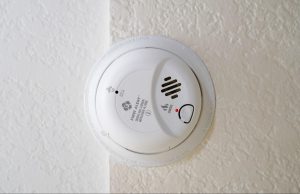
- Installing and testing smoke alarms and carbon monoxide alarms where required
- Arranging annual gas safety checks for relevant gas appliances
- Ensuring electrical installations and equipment meet applicable safety requirements
- Providing fire-safe furniture and furnishings where supplied
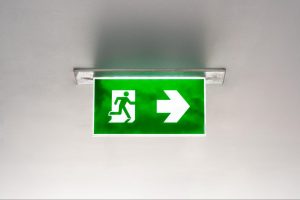
- Keeping escape routes and exits safe and unobstructed
- Maintaining fire doors, fire detection systems, emergency lighting, and other fire precautions where provided
- Providing residents with appropriate fire safety information
- Keeping required inspection, testing, and maintenance records
Government landlord guidance confirms that landlords must keep rented properties safe, ensure gas and electrical equipment is safely installed and maintained, and meet applicable smoke and carbon monoxide alarm requirements.
The exact duties vary according to the property type, occupancy, location, and applicable legislation, so landlords managing mixed portfolios should avoid applying a single compliance standard to every building.
Need a Fire Risk Assessment?
Osterna delivers professionally accredited Fire Risk Assessments for housing associations, managing agents, and large private landlords across the UK. We are operationally ready to take on new clients.
What Does a Fire Risk Assessment Cover?
The scope of an assessment depends on the building, but the assessor should consider both the hazards present and whether existing precautions adequately protect occupants.
| Assessment Area | Examples |
| Fire hazards | Electrical appliances, heating systems, ignition sources, combustible materials and storage |
| Means of escape | Escape routes, final exits, travel distances and obstructions |
| Fire detection | Smoke alarms, heat detectors, fire alarm systems and coverage |
| Fire doors | Condition, self-closing devices, seals, gaps and maintenance |
| Compartmentation | Fire stopping, walls, floors and penetrations |
| Emergency lighting | Provision, condition and maintenance where required |
| Occupancy risks | Vulnerable residents, sleeping accommodation and occupancy arrangements |
| Fire safety management | Testing records, maintenance arrangements, resident information and inspection procedures |
The assessor should record all findings, identify deficiencies, and prioritise actions according to risk. Landlords and managing agents can then use the assessment to plan remedial works and monitor outstanding actions.
Fire Risk Assessments for HMOs
Houses in Multiple Occupation (HMOs) often present additional fire risks because multiple households may share kitchens, escape routes and other facilities.
Where the Fire Safety Order applies to the common parts, the Responsible Person must ensure a suitable and sufficient fire risk assessment is carried out and kept under review.
HMO assessments should consider risks specific to shared occupation, including:
- Shared kitchens and cooking facilities
- Fire alarm and detection systems
- Fire door provision and maintenance
- Communal escape routes
- Higher occupancy levels
- Changes in tenants and occupancy
- Vulnerable residents
- Housekeeping and management arrangements
HMO licensing can create additional requirements. Landlords should check whether mandatory, additional, or other local licensing requirements apply and ensure the property meets any fire safety conditions attached to its licence.
For a more detailed explanation, see our guide to HMO Fire Risk Assessment requirements.
Fire Risk Assessments for Blocks of Flats
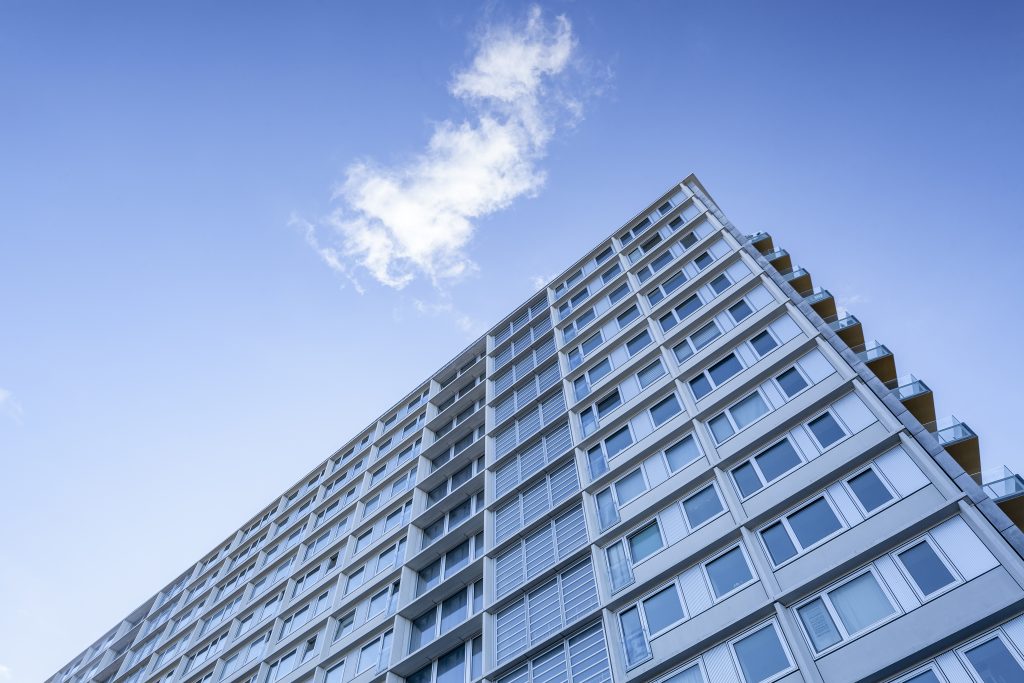
Landlords, freeholders, and managing agents responsible for blocks of flats must consider fire risks within the areas covered by the Fire Safety Order. This generally includes the common parts, with the Fire Safety Act 2021 clarifying the scope in relation to the building’s structure, external walls, and doors between domestic premises and common parts.
Areas commonly considered include:
- Communal corridors
- Stairwells
- Entrance lobbies
- Plant rooms
- Refuse storage areas
- Fire doors
- Compartmentation
- Fire alarm systems where present
- External walls and balconies where relevant
Higher-risk residential buildings in England are also subject to the Building Safety Act 2022 regime. An occupied building generally falls within this regime where it has at least two residential units and is at least 18 metres high or has at least seven storeys.
Accountable Persons and a Principal Accountable Person may have additional responsibilities for managing building safety risks alongside the duties of the Responsible Person.
What About Single-Let Properties?
Single-let properties occupied by a single household are treated differently from HMOs and blocks of flats. The Fire Safety Order will generally not require a formal fire risk assessment of an individual private dwelling.
That does not mean landlords have no fire safety responsibilities. They must still comply with applicable housing and safety legislation, which may require:
- Smoke alarms
- Carbon monoxide alarms where required
- Safe gas installations and annual gas safety checks
- Electrical safety inspections
- Safe furniture and furnishings where supplied
- Suitable means of escape
- Action to address serious fire hazards identified by the local authority under housing legislation
Landlords should therefore distinguish between the specific legal requirement for a formal fire risk assessment and their broader responsibility to provide safe rented accommodation.
Who Can Carry Out a Fire Risk Assessment?
The Responsible Person can carry out a fire risk assessment themselves if they have sufficient knowledge and competence to complete a suitable and sufficient assessment. However, complex residential buildings, HMOs, and larger portfolios will often require specialist expertise.
Where professional support is needed, landlords should appoint a competent fire risk assessor with appropriate training, knowledge, experience, and understanding of the type of building being assessed.
RICS similarly advises that fire risk assessors and other specialists should have the necessary qualifications, experience and skills, and that the Responsible Person may need to verify their competence.
For higher-risk or complex residential buildings, appointing an appropriately accredited assessor can provide greater confidence that significant risks and compliance requirements have been identified correctly.
How Often Should a Fire Risk Assessment Be Reviewed?
There is no single statutory review interval that applies to every fire risk assessment. Responsible Persons must keep assessments up to date and review them when there is reason to believe they are no longer valid or when significant changes affect the premises.
A review may be necessary following:
- Changes in occupancy or the needs of residents
- Refurbishment or alterations
- Changes to fire doors, alarms, escape routes, or compartmentation
- A fire or significant fire safety incident
- New information about fire hazards
- Changes to the way the building is managed or used
- Significant findings from inspections or maintenance
Landlords managing multiple buildings should establish a planned review programme rather than waiting for a significant change or incident to expose an outdated assessment.
What Legislation Applies to Landlords?
Landlord fire safety responsibilities sit across several pieces of fire safety, building safety, and housing legislation. Which requirements apply will depend on the property and where it is located.
England and Wales
Key legislation includes:
- Regulatory Reform (Fire Safety) Order 2005
- Fire Safety Act 2021
- Building Safety Act 2022
- Fire Safety (England) Regulations 2022
- Housing Act 2004
- Smoke and Carbon Monoxide Alarm regulations where applicable
The Regulatory Reform (Fire Safety) Order 2005 establishes the core fire risk assessment duties for premises within its scope. The Fire Safety Act 2021 clarified how those duties apply to elements such as external walls and flat entrance doors in relevant multi-occupied residential buildings.
The Fire Safety (England) Regulations 2022 introduced additional duties for certain multi-occupied residential buildings in England, including requirements relating to fire doors and the provision of fire safety information.
The Housing Act 2004 is particularly relevant to rented accommodation and HMOs because it underpins the Housing Health and Safety Rating System (HHSRS) and HMO licensing regime.
Scotland
Fire safety duties in Scotland are governed by:
The Regulatory Reform (Fire Safety) Order does not apply in Scotland. Landlords and other duty holders must instead follow Scotland’s separate fire safety framework alongside applicable housing legislation.
Common Compliance Issues Identified During Fire Risk Assessments
Fire risk assessments frequently identify issues that have developed gradually through day-to-day management of the property.
Common examples include:
- Inadequate fire alarm provision
- Poor fire door maintenance
- Defects in compartmentation
- Obstructed escape routes
- Missing fire safety records
- Inadequate inspection programmes
- Delays in completing remedial actions
- Poor communication of fire safety information
- Assessments that no longer reflect changes to the property or occupancy
Landlords and managing agents should use these findings to prioritise higher-risk defects, assign responsibility for remedial works, and track actions through to completion.
Meeting Your Fire Safety Responsibilities as a Landlord
Landlords cannot rely on a fire risk assessment alone to demonstrate effective fire safety management. They must understand which duties apply to each property, maintain the required fire precautions, act on significant findings, and keep their arrangements under review.
If you are responsible for fire safety compliance across a residential portfolio and need a trusted, experienced provider, Osterna can help.
We work with housing associations, managing agents, and large private landlords across the UK, delivering Fire Risk Assessments, asset testing, fire door inspections, and building compliance services.
Get in touch with the Osterna team today.
Frequently Asked Questions
Under the Regulatory Reform (Fire Safety) Order 2005, the Responsible Person has a legal obligation to carry out a suitable and sufficient fire risk assessment where the legislation applies, typically in the common parts of HMO properties, blocks of flats, and other multi-occupied residential buildings. Additional duties may also arise under the Fire Safety Act 2021 and the Fire Safety (England) Regulations 2022.
Not every rental property requires a formal fire risk assessment. The requirement depends on the type of property, occupancy arrangements, and whether the landlord or another legally responsible person has duties under fire safety legislation. Landlords must still ensure tenants are protected by appropriate fire safety measures.
There is no fixed legal review period. The Responsible Person should review the assessment whenever significant changes affect the property, its occupants, or its fire safety arrangements. Higher-risk residential buildings may require more frequent reassessments to identify potential fire safety issues.
Failure to comply with fire safety legislation can result in enforcement action, improvement notices, prohibition notices, civil penalties, or prosecution, depending on the circumstances. It may also lead to HMO licensing issues, increased liability following a fire, and greater scrutiny from regulators or local authorities.
Insurance requirements vary between providers and policies. However, where a fire risk assessment is a legal requirement, failing to obtain one or address significant findings could affect compliance with policy conditions. Landlords should always check the specific requirements of their insurer.
Related articles
-
Smoke Alarm Regulations for Landlords
Smoke alarm regulations require landlords to install, test, and maintain smoke and carbon monoxide alarms in qualifying rental properties. This article explains the legal requirements, landlord responsibilities, smoke alarm testing, HMO considerations, and the differences between England and Scotland.
-
How Often Should Fire Extinguishers Be Inspected?
Routine fire extinguisher inspections help identify defects before they affect emergency response. This guide explains inspection frequencies, responsibilities, what to check, and how inspections support fire safety compliance.
-
Fire Extinguisher Maintenance Explained: Inspection, Testing and Servicing
Fire extinguishers require more than annual servicing to remain effective in an emergency. This guide explains fire extinguisher maintenance requirements, including routine inspections, professional servicing, testing, legal responsibilities, and the role of BS 5306 in supporting fire safety compliance.
-
Emergency Lighting Regulations: A Guide for UK Responsible Persons
Emergency lighting helps occupants evacuate safely when normal lighting fails, but many Responsible Persons are unsure which regulations apply. This guide explains UK emergency lighting legislation, the role of BS 5266, where emergency lighting is required, and how it supports wider fire safety compliance.
-
Dry Riser Testing Regulations: What Building Owners Need to Know
Dry riser testing is essential for maintaining reliable firefighting systems within residential and commercial buildings. This guide explains the legislation and British Standards governing dry riser inspection and pressure testing, recommended testing frequencies, Responsible Person responsibilities, common defects, and how planned maintenance supports ongoing fire safety compliance.
-
How Often Should Emergency Lighting Be Tested?
Emergency lighting testing helps ensure escape routes remain illuminated during a fire or power failure. This guide explains the monthly and annual testing routine required under BS 5266, who’s responsible, and what the law expects from Responsible Persons.
-
How Much Does Fire Extinguisher Inspection Cost?
Fire extinguisher inspection costs vary depending on the number of extinguishers, building complexity, servicing requirements, and reporting needs. This guide explains the factors that influence pricing, what’s included within a professional inspection service, and how to obtain an accurate quotation.
-
Fire Extinguisher Inspection Checklist: What’s Included
A fire extinguisher inspection helps ensure portable firefighting equipment remains accessible, operational, and ready for use. This guide explains what a fire extinguisher inspection is, what’s included in a typical inspection checklist, and the key checks Responsible Persons should carry out as part of an effective fire safety maintenance programme.
-
A Guide to HMO Fire Risk Assessment Requirements
Many HMO landlords understand they have fire safety responsibilities, but fewer are clear on exactly what the law requires. Misunderstanding those duties can lead to compliance issues, licensing problems, and increased risk to residents. This guide explains the fire risk assessment requirements that apply to HMOs and what landlords and managing agents need to do in practice.
-
What Is the Difference Between a PCFRA and a PEEP?
A Person-Centred Fire Risk Assessment and a Personal Emergency Evacuation Plan are often confused, but they are designed to achieve different outcomes. This guide explains the key differences, when each is appropriate, and how they work together to support fire safety within residential buildings.