What Is a Person-Centred Fire Risk Assessment?
30 Jul 2026 | By David Hernon
Some residents require additional fire safety measures beyond those identified in a standard Fire Risk Assessment. This guide explains what a Person-Centred Fire Risk Assessment is, when it may be appropriate, and how it helps organisations manage individual fire risks while supporting compliance.
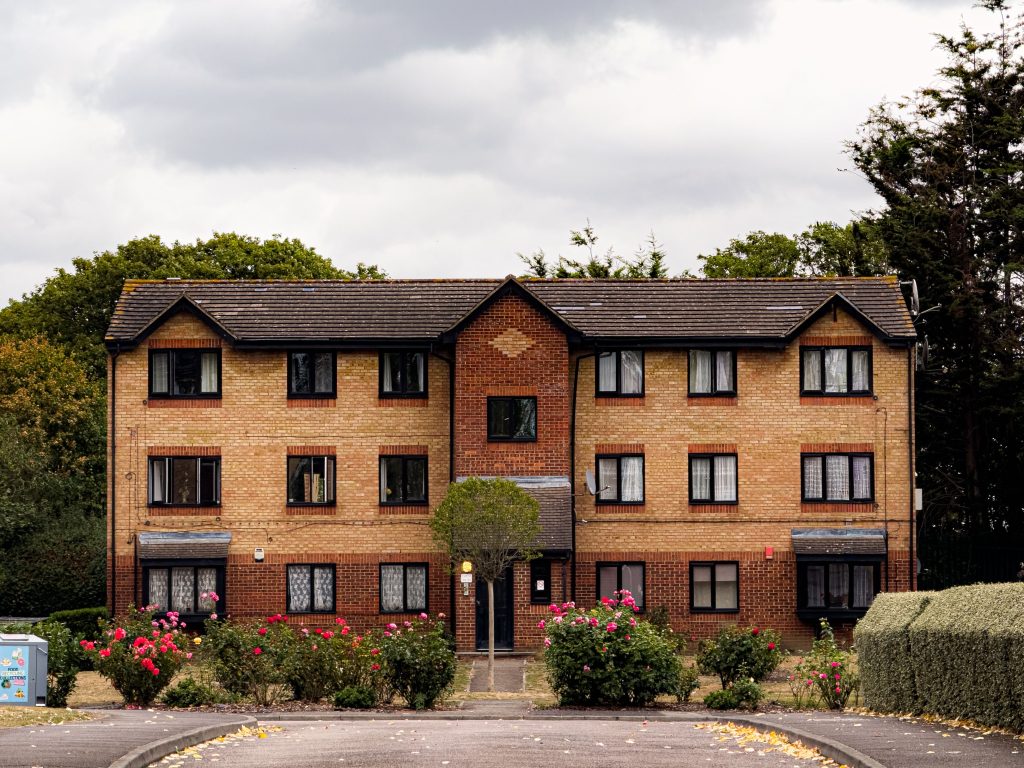
Many organisations understand the importance of managing fire safety across their buildings. However, standard Fire Risk Assessments don’t always address the additional risks faced by individual residents. Overlooking those factors can leave vulnerable people exposed. It can also make it harder to demonstrate that fire risks are being managed appropriately.
This guide explains what a Person-Centred Fire Risk Assessment is. It covers who it’s designed for, when it may be needed, and how it supports effective fire safety management.
Why Are Person-Centred Fire Risk Assessments Needed?
Standard Fire Risk Assessments assess fire risks across a building as a whole, but they do not always account for the individual circumstances of residents whose health, mobility, behaviours, or support needs may increase their level of fire risk.
In these situations, a Person-Centred Fire Risk Assessment (PCFRA) provides a more tailored assessment of how those factors may influence both the likelihood of a fire occurring and its potential consequences.
The aim is to identify practical, proportionate measures that reduce individual fire risk while supporting the person’s independence wherever possible. For organisations managing supported housing or residents with additional needs, a PCFRA provides an important layer of fire safety management that complements wider building fire safety arrangements.
New Legal Duties from 6 April 2026
From 6 April 2026, the Fire Safety (Residential Evacuation Plans) (England) Regulations 2025 introduced new legal duties for Responsible Persons in certain residential buildings in England. Where the Regulations apply, Responsible Persons must use reasonable endeavours to identify residents who may have difficulty evacuating independently, offer them a Person-Centred Fire Risk Assessment (PCFRA), and, where requested, ensure that assessment is completed.
The Regulations also require Responsible Persons to implement reasonable and proportionate measures to reduce identified fire risks, prepare an Emergency Evacuation Statement with the resident, and keep the assessment under review where circumstances change.
Related Legislation and Guidance
The 2025 Regulations form part of a wider fire safety framework. The table below summarises the principal legislation and guidance relevant to Person-Centred Fire Risk Assessments in England and Scotland.
| Jurisdiction | Legislation & guidance |
| England | Regulatory Reform (Fire Safety) Order 2005Fire Safety Act 2021Housing Act 2004Fire Safety (Residential Evacuation Plans) (England) Regulations 2025NFCC guidance on Person-Centred Fire Risk Assessments |
| Scotland | Fire (Scotland) Act 2005Fire Safety (Scotland) Regulations 2006 |
Who May Need a Person-Centred Fire Risk Assessment?
Not every resident requires a Person-Centred Fire Risk Assessment. These assessments are typically considered where an individual’s health, behaviours, or support needs increase the likelihood of a fire occurring or make it more difficult for them to respond safely if one does.
This may include residents who:
- Have reduced mobility
- Live with dementia or cognitive impairment
- Experience mental health conditions
- Smoke within their accommodation
- Use oxygen therapy or specialist medical equipment
- Display hoarding behaviours
- Require support with daily living
- May struggle to recognise, respond to, or recover from a fire
Where a PCFRA is required, it considers how these individual circumstances interact with the building’s existing fire safety measures. Depending on the resident, the assessment may review their living environment, daily routines, awareness of fire risks, existing care arrangements, and any practical measures that could further reduce risk while supporting their independence.
Each assessment should be tailored to the individual rather than applying a standard approach across all residents. The outcome should be a proportionate set of recommendations that reflects both the resident’s needs and the wider fire safety arrangements within the building.
Need a Fire Risk Assessment?
Osterna delivers professionally accredited Fire Risk Assessments for housing associations, managing agents, and large private landlords across the UK.
How Does a PCFRA Differ from a Fire Risk Assessment?
A Person-Centred Fire Risk Assessment (PCFRA) and a Fire Risk Assessment are designed to work together, but they assess different aspects of fire safety.
A Fire Risk Assessment focuses on the building. It identifies fire hazards, evaluates fire precautions, and assesses whether the measures in place adequately protect occupants throughout the premises.
A Person-Centred Fire Risk Assessment focuses on the individual. It considers how a resident’s health, mobility, behaviours, or support needs may influence their level of fire risk and identifies any additional measures needed to reduce that risk.
Rather than replacing a Fire Risk Assessment, a PCFRA builds on it by addressing risks that cannot be identified through a building assessment alone. Together, they provide a more complete and proportionate approach to managing fire safety within residential settings.
Who Carries Out a Person-Centred Fire Risk Assessment?
A Person-Centred Fire Risk Assessment should be led by a competent fire risk assessor with an understanding of both fire safety and person-centred risk assessment. To ensure the assessment accurately reflects the resident’s needs, it is often informed by those involved in their day-to-day care and support.
Depending on the organisation, this may involve input from:
- Fire safety professionals
- Housing providers
- Support workers
- Care providers
- Occupational therapists
- Other relevant healthcare professionals
Fire risk assessors who work closely with housing providers, care teams, and other professionals can develop recommendations that are practical, proportionate, and tailored to the resident’s individual circumstances.
How Do Person-Centred Fire Risk Assessments Support PEEPs?
Recent changes to fire safety requirements have increased the focus on Personal Emergency Evacuation Plans (PEEPs) in certain residential buildings. Where a resident may need assistance to evacuate or remain safe during a fire, a Person-Centred Fire Risk Assessment can provide valuable information to help organisations understand individual risks and identify appropriate support measures.
Although a PCFRA does not replace a PEEP, the two are closely linked. A Person-Centred Fire Risk Assessment helps inform fire safety decisions by assessing an individual’s circumstances, while a PEEP sets out the practical arrangements for supporting that person during an emergency where one is required.
How Do Person-Centred Fire Risk Assessments Support Housing Providers?
Person-Centred Fire Risk Assessments help organisations move beyond a one-size-fits-all approach to fire safety. They identify individual fire risks, document appropriate control measures, and support more informed decision-making across residential settings.
A PCFRA can help organisations:
- Manage individual fire risks
- Support safeguarding responsibilities
- Inform resident support plans
- Demonstrate proportionate fire safety management
- Support multi-agency working
- Provide an auditable record of fire safety decisions
Housing associations, supported housing providers, and local authorities must demonstrate that resident-specific fire risks are being considered alongside wider building fire safety arrangements.
When Should a Person-Centred Fire Risk Assessment Be Carried Out?
A PCFRA is typically completed when concerns are identified about a resident’s level of fire risk or where additional support may be required to maintain their safety.
This may be appropriate:
- When a resident moves into supported accommodation
- Following changes in health or mobility
- After concerns are raised by staff or carers
- Following a fire or near miss
- Where behaviours indicate an increased fire risk
- When recommended through wider fire safety management processes
Once completed, the assessment should remain under review and be updated whenever there is a significant change in the resident’s circumstances, health, mobility, support needs, or living arrangements.
Supporting Person-Centred Fire Safety
Person-Centred Fire Risk Assessments help organisations understand how individual circumstances may influence fire risk and provide a structured way to implement practical, proportionate control measures.
If you are responsible for fire safety compliance within supported housing, extra care, or residential care settings, Osterna can help.
We work with housing associations, supported housing providers, local authorities, and care organisations across the UK, delivering Person-Centred Fire Risk Assessments, Fire Risk Assessments, fire door inspections, and wider building compliance services.
Get in touch with the Osterna team today.
Frequently Asked Questions
From 6 April 2026, the Fire Safety (Residential Evacuation Plans) (England) Regulations 2025 require Responsible Persons to use reasonable endeavours to identify relevant residents who may have difficulty evacuating independently, offer them a Person-Centred Fire Risk Assessment (PCFRA), and, where the resident agrees, ensure that the assessment is completed.
Outside the scope of these Regulations, organisations must still comply with wider fire safety legislation, including the Regulatory Reform (Fire Safety) Order 2005, by assessing and managing fire risks appropriately. A PCFRA provides a structured way to identify individual fire risks, implement appropriate control measures, and demonstrate that resident-specific fire safety needs have been properly considered.
A Person-Centred Fire Risk Assessment identifies how an individual’s circumstances affect their level of fire risk and recommends measures to reduce that risk. A Personal Emergency Evacuation Plan (PEEP) focuses on how a person will be assisted to evacuate or remain safe during an emergency where additional support is required. A PCFRA may help inform a PEEP, but the two documents serve different purposes.
Recommendations will depend on the individual’s circumstances and level of risk. They may include additional support measures, changes to care arrangements, specialist fire safety equipment, lifestyle interventions, or closer monitoring to help reduce the likelihood and impact of fire.
No. A Fire Risk Assessment considers fire safety across the building as a whole, while a Person-Centred Fire Risk Assessment focuses on the risks associated with an individual resident. The two assessments complement each other and together provide a more comprehensive approach to managing fire safety.
PCFRAs are commonly used by housing associations, supported housing providers, local authorities, residential care providers, and organisations supporting people with additional care or support needs. They are particularly valuable where residents may require additional measures to manage individual fire risks.
Related articles
-
Smoke Alarm Regulations for Landlords
Smoke alarm regulations require landlords to install, test, and maintain smoke and carbon monoxide alarms in qualifying rental properties. This article explains the legal requirements, landlord responsibilities, smoke alarm testing, HMO considerations, and the differences between England and Scotland.
-
How Often Should Fire Extinguishers Be Inspected?
Routine fire extinguisher inspections help identify defects before they affect emergency response. This guide explains inspection frequencies, responsibilities, what to check, and how inspections support fire safety compliance.
-
Fire Extinguisher Maintenance Explained: Inspection, Testing and Servicing
Fire extinguishers require more than annual servicing to remain effective in an emergency. This guide explains fire extinguisher maintenance requirements, including routine inspections, professional servicing, testing, legal responsibilities, and the role of BS 5306 in supporting fire safety compliance.
-
Emergency Lighting Regulations: A Guide for UK Responsible Persons
Emergency lighting helps occupants evacuate safely when normal lighting fails, but many Responsible Persons are unsure which regulations apply. This guide explains UK emergency lighting legislation, the role of BS 5266, where emergency lighting is required, and how it supports wider fire safety compliance.
-
Dry Riser Testing Regulations: What Building Owners Need to Know
Dry riser testing is essential for maintaining reliable firefighting systems within residential and commercial buildings. This guide explains the legislation and British Standards governing dry riser inspection and pressure testing, recommended testing frequencies, Responsible Person responsibilities, common defects, and how planned maintenance supports ongoing fire safety compliance.
-
How Often Should Emergency Lighting Be Tested?
Emergency lighting testing helps ensure escape routes remain illuminated during a fire or power failure. This guide explains the monthly and annual testing routine required under BS 5266, who’s responsible, and what the law expects from Responsible Persons.
-
How Much Does Fire Extinguisher Inspection Cost?
Fire extinguisher inspection costs vary depending on the number of extinguishers, building complexity, servicing requirements, and reporting needs. This guide explains the factors that influence pricing, what’s included within a professional inspection service, and how to obtain an accurate quotation.
-
Fire Extinguisher Inspection Checklist: What’s Included
A fire extinguisher inspection helps ensure portable firefighting equipment remains accessible, operational, and ready for use. This guide explains what a fire extinguisher inspection is, what’s included in a typical inspection checklist, and the key checks Responsible Persons should carry out as part of an effective fire safety maintenance programme.
-
A Guide to HMO Fire Risk Assessment Requirements
Many HMO landlords understand they have fire safety responsibilities, but fewer are clear on exactly what the law requires. Misunderstanding those duties can lead to compliance issues, licensing problems, and increased risk to residents. This guide explains the fire risk assessment requirements that apply to HMOs and what landlords and managing agents need to do in practice.
-
A Guide to Fire Risk Assessments for Landlords
Not every landlord needs a fire risk assessment, but misunderstanding where the legal duty applies can create significant compliance risks. Discover which properties require an assessment, the legislation involved, and what landlords need to do to meet their fire safety responsibilities.