Fire Risk Assessment for Student Accommodation
21 Oct 2026 | By Ron Fellowes MIFSM, GIFireE, CertNCRQ
Student accommodation presents specific fire safety challenges, from shared kitchens and changing occupancy to evacuation and sleeping risk. A Fire Risk Assessment should cover how universities, landlords and accommodation providers should manage the findings.
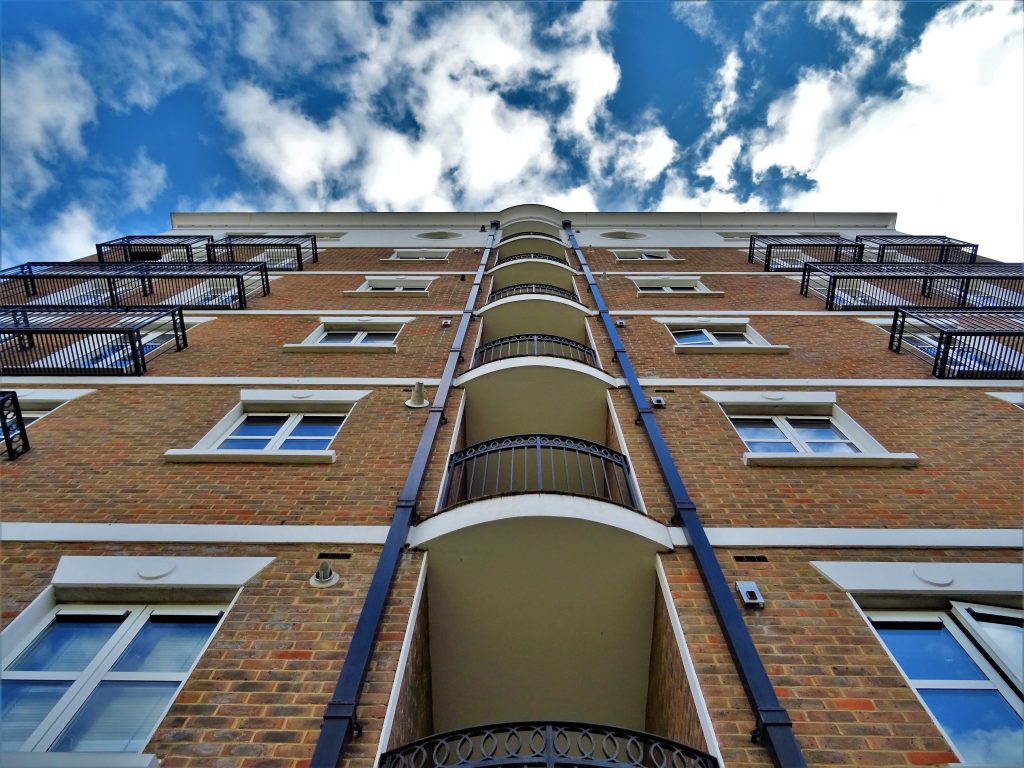
Student halls and other shared student accommodation generally require a suitable and sufficient Fire Risk Assessment under the Regulatory Reform (Fire Safety) Order 2005.
The Responsible Person, which may be a university, accommodation provider, landlord or managing agent with control of the premises, must ensure the assessment is carried out and identified fire risks are appropriately managed.
Does Student Accommodation Need a Fire Risk Assessment?
Student accommodation within the scope of the Regulatory Reform (Fire Safety) Order 2005 require a suitable and sufficient Fire Risk Assessment.
The legal framework can vary according to the type of accommodation. Purpose-built student accommodation, university halls, HMOs and self-contained flats may be subject to different or overlapping requirements under:
- Regulatory Reform (Fire Safety) Order 2005: establishes fire safety duties for premises within scope
- Housing Act 2004: applies housing standards, including the Housing Health and Safety Rating System (HHSRS), with additional requirements for HMOs
- Fire Safety Act 2021: clarifies the scope of the Fire Safety Order for relevant multi-occupied residential buildings, including the structure, external walls and flat entrance doors
- Fire Safety (England) Regulations 2022: introduce additional requirements for certain residential buildings, with duties varying according to building height
This means a Fire Risk Assessment for student accommodation should reflect the building’s legal status, design, height, occupancy and management arrangements rather than applying the same approach to every property.
Who Is Responsible for Fire Safety in Student Accommodation?
Responsibility under the Fire Safety Order sits with the Responsible Person.
Depending on how the accommodation is owned and operated, this could include:
- A university or college
- A private student accommodation provider
- A landlord or freeholder
- A management company
- An employer
- Another person with control of the premises
More than one Responsible Person can exist where control or responsibilities are shared.
Managing agents and facilities teams may coordinate assessments, inspections and remedial work, but responsibilities should be clearly established. Contracts should identify who commissions the FRA, manages actions, maintains fire precautions and communicates fire safety information to residents.
What Should a Fire Risk Assessment for Student Accommodation Cover?
The assessment should reflect the building, its residents and how the accommodation is actually used. The assessor should consider how a fire could start and spread, who could be affected and whether existing fire precautions provide adequate protection.
Depending on the accommodation, this may include:
- Escape routes and final exits
- Fire doors and fire-resisting construction
- Fire detection and alarm systems
- Emergency lighting
- Compartmentation
- Shared kitchens and cooking facilities
- Electrical equipment and charging
- Smoking and vaping risks
- Housekeeping, storage and combustible materials
- Laundry rooms, plant rooms and other communal facilities
- External walls, balconies and cladding where relevant
- Firefighting equipment where appropriate
- Fire safety signs and notices
- Inspection, testing and maintenance arrangements
- People who may be especially at risk, including disabled residents
The assessment should also consider the building’s evacuation strategy and whether residents receive sufficient information to understand what to do in the event of a fire.
Read What Should a Fire Risk Assessment Include? for a more detailed explanation of the areas considered during an FRA.
Need Fire Risk Assessments for Student Accommodation?
Osterna provides Fire Risk Assessments for student accommodation for universities, accommodation providers, landlords and managing agents.
Our assessments identify fire safety risks, provide clear recommendations and help those responsible for student accommodation understand the actions needed to manage fire safety effectively.
What Are the Main Fire Risks in Student Accommodation?
Cooking is a significant fire risk in student accommodation. In September 2026, the London Fire Brigade reported that cooking accounted for one-third of its call-outs involving university students over the previous five years.
Shared kitchens may be used by several residents with varying levels of experience, increasing the risk of unattended cooking, combustible materials left near heat sources, and other unsafe practices.
Student accommodation can also combine sleeping risk with high occupancy and frequent resident turnover. Other potential hazards include:
- Damaged or overloaded electrical equipment
- Unsafe charging of batteries and devices
- Smoking and vaping
- Candles and other naked flames
- Combustible materials and poor housekeeping
- Obstructed escape routes
- Fire doors being wedged open or damaged
Fire safety management should therefore consider how residents use the building as well as the condition and effectiveness of its fire safety measures.
How Should the FRA Account for Disabled Students and Other People at Greater Risk?
Mobility, sight or hearing impairments, cognitive conditions or temporary circumstances may affect a student’s ability to recognise a fire warning or evacuate without assistance.
Responsible Persons should consider whether individual residents need additional support to evacuate safely. Our guide to person-centred fire risk assessments explains how individual fire risks and evacuation needs can be assessed.
Additional evacuation planning duties may apply to qualifying high-rise residential buildings in England under the Fire Safety (Residential Evacuation Plans) (England) Regulations 2025.
Read our guide to Person-Centred Fire Risk Assessments (PCFRAs) for more information.
Does the Fire Risk Assessment Cover Student Bedrooms?
In purpose-built student halls and other premises providing sleeping accommodation, the Fire Risk Assessment may need to consider bedrooms as well as communal areas, particularly where conditions within sleeping accommodation could affect fire safety, means of escape or the effectiveness of existing fire precautions.
The position can differ in HMOs and self-contained flats. An individual dwelling or private room may be classed as domestic premises and fall outside the Fire Safety Order, while common areas and shared fire precautions remain within scope.
In buildings containing two or more domestic premises, the Fire Safety Order also extends to the building’s structure and external walls, common parts and doors between individual dwellings and common areas.
Student accommodation providers should therefore establish the legal status and layout of the accommodation before defining the scope of the FRA. Housing legislation, including the Housing Act 2004, may impose additional fire safety requirements in HMOs and other residential accommodation.
What Fire Safety Information Should Student Accommodation Providers Give Residents?
Student accommodation providers should give residents clear, practical fire safety information that reflects the risks and evacuation arrangements within the building.
Information provided to students should cover:
- What to do if they discover a fire or hear the fire alarm
- The building’s evacuation procedure and escape routes
- Keeping corridors, stairs and exits clear
- Not wedging open, obstructing or tampering with fire doors
- Safe use of shared kitchens and cooking appliances
- Electrical safety, including overloaded sockets and safe device charging
- Rules covering smoking, vaping, candles and other ignition sources
- Any restrictions on e-bikes, e-scooters or other battery-powered devices
- Not covering, disabling or tampering with smoke detectors or other fire safety equipment
- How to report damaged fire doors, alarms or other fire safety concerns
- How residents can request additional evacuation support
Providers should give this information to students when they move in and reinforce it during their stay where necessary. Fire drills, incidents, repeated unwanted alarms and changes to the building’s fire safety arrangements can also indicate that residents need further information or reminders.
How Often Should a Student Accommodation Fire Risk Assessment Be Reviewed?
The Fire Safety Order does not set a fixed review interval for every Fire Risk Assessment. The Responsible Person must review the assessment regularly to keep it up to date and revise it where necessary.
Student accommodation can change frequently, so a review should be carried out when there is reason to believe the existing assessment is no longer valid or following a significant change. This may include:
- Significant refurbishment, alterations or changes to layout
- Changes in occupancy or how the accommodation is used
- Changes to fire precautions or evacuation arrangements
- A fire or significant fire safety incident
- New information about the building or its fire risks
- Significant changes affecting people who may be especially at risk
- Evidence that existing fire safety measures are no longer adequate
Accommodation providers should establish an appropriate review programme based on the building’s risks and complexity rather than relying solely on an arbitrary renewal date.
Managing Fire Safety Across Student Accommodation
A Fire Risk Assessment provides the foundation for understanding fire risk in student accommodation, but the assessment itself is only one part of effective fire safety management.
Universities, landlords, accommodation providers and managing agents need to act on significant findings, maintain fire precautions, provide clear information to residents and keep the assessment current as occupancy and buildings change.
Osterna supports organisations responsible for individual student buildings and larger accommodation portfolios with professional Fire Risk Assessments, helping identify risks and provide clear actions for managing them.
Speak to the Osterna team about Fire Risk Assessments for your student accommodation portfolio.
Frequently Asked Questions
Fire safety enforcement depends on the type of accommodation and the legislation that applies. Fire and rescue authorities generally enforce the Regulatory Reform (Fire Safety) Order 2005, while local authorities have responsibilities under housing legislation, including requirements applying to HMOs. Some student accommodation may be subject to more than one regulatory regime.
Premises within the scope of the Fire Safety Order must have a suitable and sufficient Fire Risk Assessment. It should identify fire hazards, people at risk and the measures needed to reduce those risks, including arrangements for fire detection, escape, evacuation and other appropriate fire precautions.
Government guidance on sleeping accommodation specifically includes student halls of residence.
Common risks include cooking, damaged or overloaded electrical equipment, unsafe battery charging, smoking, candles, combustible materials and obstructed escape routes. Damaged or wedged-open fire doors can also compromise the building’s protection.
The FRA should consider resident behaviour alongside the condition and management of the building.
The Responsible Person should review the significant findings and ensure necessary actions are addressed according to their level of risk. Actions should be assigned, monitored and recorded, with suitable interim measures introduced where a risk cannot be resolved immediately. The FRA should then be kept under review and updated when necessary.
Fire drills can be an important part of testing evacuation arrangements for occupants and the evacuation strategy.
The Fire Risk Assessment and emergency plan should determine what arrangements are appropriate. Accommodation providers should also ensure students understand what to do when the alarm sounds and review any problems identified during drills or actual incidents.
Related articles
-
How Often Should Fire Extinguishers Be Inspected?
Routine fire extinguisher inspections help identify defects before they affect emergency response. This guide explains inspection frequencies, responsibilities, what to check, and how inspections support fire safety compliance.
-
Fire Extinguisher Maintenance Explained: Inspection, Testing and Servicing
Fire extinguishers require more than annual servicing to remain effective in an emergency. This guide explains fire extinguisher maintenance requirements, including routine inspections, professional servicing, testing, legal responsibilities, and the role of BS 5306 in supporting fire safety compliance.
-
Emergency Lighting Regulations: A Guide for UK Responsible Persons
Emergency lighting helps occupants evacuate safely when normal lighting fails, but many Responsible Persons are unsure which regulations apply. This guide explains UK emergency lighting legislation, the role of BS 5266, where emergency lighting is required, and how it supports wider fire safety compliance.
-
Dry Riser Testing Regulations: What Building Owners Need to Know
Dry riser testing is essential for maintaining reliable firefighting systems within residential and commercial buildings. This guide explains the legislation and British Standards governing dry riser inspection and pressure testing, recommended testing frequencies, Responsible Person responsibilities, common defects, and how planned maintenance supports ongoing fire safety compliance.
-
How Often Should Emergency Lighting Be Tested?
Emergency lighting testing helps ensure escape routes remain illuminated during a fire or power failure. This guide explains the monthly and annual testing routine required under BS 5266, who’s responsible, and what the law expects from Responsible Persons.
-
How Much Does Fire Extinguisher Inspection Cost?
Fire extinguisher inspection costs vary depending on the number of extinguishers, building complexity, servicing requirements, and reporting needs. This guide explains the factors that influence pricing, what’s included within a professional inspection service, and how to obtain an accurate quotation.
-
Fire Extinguisher Inspection Checklist: What’s Included
A fire extinguisher inspection helps ensure portable firefighting equipment remains accessible, operational, and ready for use. This guide explains what a fire extinguisher inspection is, what’s included in a typical inspection checklist, and the key checks Responsible Persons should carry out as part of an effective fire safety maintenance programme.
-
A Guide to Fire Risk Assessments for Landlords
Not every landlord needs a fire risk assessment, but misunderstanding where the legal duty applies can create significant compliance risks. Discover which properties require an assessment, the legislation involved, and what landlords need to do to meet their fire safety responsibilities.
-
A Guide to HMO Fire Risk Assessment Requirements
Many HMO landlords understand they have fire safety responsibilities, but fewer are clear on exactly what the law requires. Misunderstanding those duties can lead to compliance issues, licensing problems, and increased risk to residents. This guide explains the fire risk assessment requirements that apply to HMOs and what landlords and managing agents need to do in practice.
-
What Is the Difference Between a PCFRA and a PEEP?
A Person-Centred Fire Risk Assessment and a Personal Emergency Evacuation Plan are often confused, but they are designed to achieve different outcomes. This guide explains the key differences, when each is appropriate, and how they work together to support fire safety within residential buildings.