Do I Need a Fire Risk Assessment? Legal Requirements Explained
26 Jun 2026 | By Ron Fellowes MIFSM, GIFireE, CertNCRQ
Not sure whether your building needs a fire risk assessment? This guide explains when fire risk assessments are legally required, who is responsible, and includes a practical checklist to help determine whether your premises fall within scope of fire safety legislation.
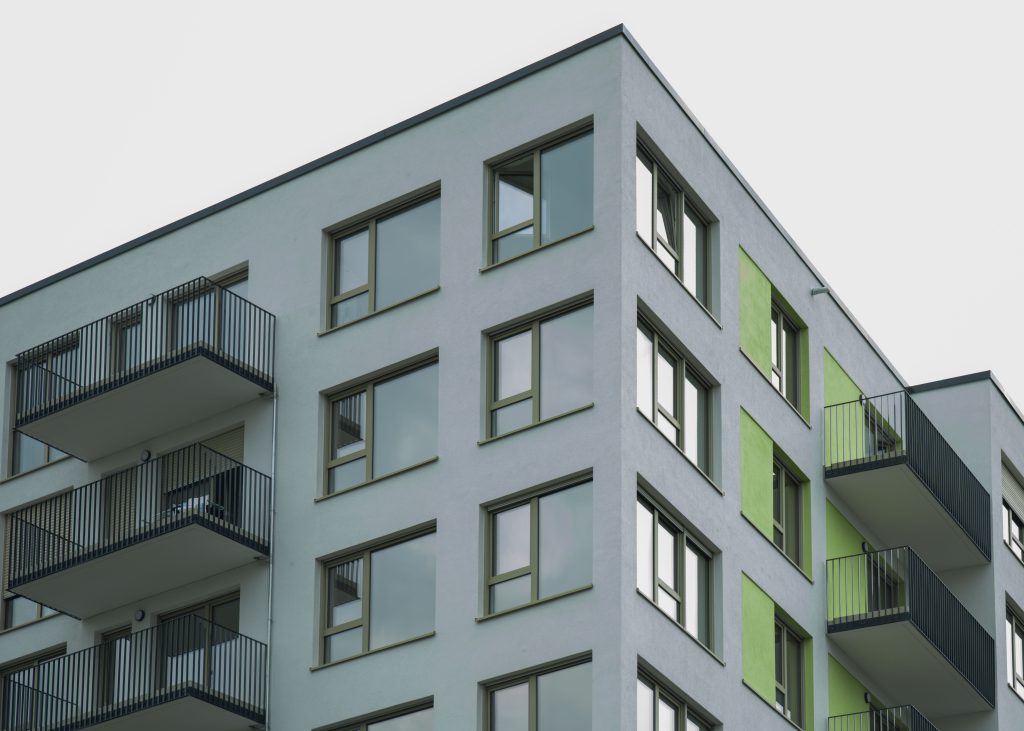
Most organisations now understand that fire safety is a legal responsibility, but there is still uncertainty about when a fire risk assessment is required and who is responsible for arranging one.
In this article, we explain when a fire risk assessment is required, which buildings fall within the scope of fire safety legislation, and who is responsible for compliance.
What Is a Fire Risk Assessment?
A fire risk assessment (FRA) is a structured assessment of a building that identifies fire hazards, evaluates the risks to occupants, and determines whether existing fire safety measures are suitable and effective.
A suitable and sufficient fire risk assessment should assess:
- Potential fire hazards
- People at risk
- Means of escape
- Fire alarm and detection systems
- Emergency lighting
- Fire doors and compartmentation
- Firefighting equipment
- Evacuation arrangements
- Fire safety management procedures
The assessment should also identify actions required to reduce risk and maintain compliance.
Is a Fire Risk Assessment a Legal Requirement?
A fire risk assessment is a legal requirement. In England and Wales, the Regulatory Reform (Fire Safety) Order 2005 requires the Responsible Person to carry out a suitable and sufficient fire risk assessment for non-domestic premises and the communal areas of multi-occupied residential buildings.
The Fire Safety Act 2021 expanded the scope of fire risk assessments by clarifying that external walls, balconies, cladding systems, and flat entrance doors opening onto communal areas fall within scope.
The Fire Safety (England) Regulations 2022 introduced additional duties for Responsible Persons across all multi-occupied residential buildings. The regulations also impose enhanced inspection, information-sharing, and cooperation requirements for buildings over 11 metres, with further duties applying to higher-risk residential buildings over 18 metres in height.
In Scotland, fire safety duties are governed by the Fire (Scotland) Act 2005 and the Fire Safety (Scotland) Regulations 2006.
Need a Fire Risk Assessment?
Osterna delivers professionally accredited Fire Risk Assessments for housing associations, managing agents, and large private landlords across the UK.
Which Buildings Need a Fire Risk Assessment?
Most non-domestic premises require a fire risk assessment.
Examples include:
- Offices
- Shops and retail premises
- Schools and educational buildings
- Healthcare facilities
- Hotels and hospitality venues
- Warehouses and industrial premises
- Community buildings
Within the residential sector, fire risk assessments are typically required for:
- Blocks of flats
- Apartment developments
- Housing association properties
- Resident management company buildings
- Houses in Multiple Occupation (HMOs)
- Mixed-use developments
- Supported housing schemes
For residential buildings, the assessment generally applies to the communal areas and any fire safety measures that affect the wider building.
Do Landlords Need a Fire Risk Assessment?
In many cases, yes. Private landlords, housing associations, freeholders, and managing agents may all have duties under fire safety legislation, depending on the type of property and their role in managing it.
For single private dwellings occupied by one household, the Regulatory Reform (Fire Safety) Order 2005 does not generally apply. However, landlords still have wider responsibilities to ensure the property is safe, including maintaining smoke alarms and ensuring gas and electrical installations meet relevant safety requirements.
A fire risk assessment is typically required where a landlord is responsible for:
- Houses in Multiple Occupation (HMOs)
- Blocks of flats
- Shared communal areas
- Common escape routes
- Shared stairwells and corridors
- Plant rooms, bin stores, and other communal facilities
In these situations, the Responsible Person must ensure a suitable and sufficient fire risk assessment is carried out and kept under review.
Who Is Responsible for Arranging a Fire Risk Assessment?
The legal duty sits with the Responsible Person.
Depending on the building, this may be:
- A housing association
- A managing agent
- A landlord
- A freeholder
- A resident management company
- A building owner
- An employer
The Responsible Person must ensure the assessment is suitable and sufficient, kept under review, and used to manage fire safety risks effectively.
Although organisations often appoint specialist fire risk assessors to carry out the assessment, legal responsibility for compliance remains with the Responsible Person.
What Happens if You Do Not Have a Fire Risk Assessment?
Failure to carry out a suitable and sufficient fire risk assessment can expose organisations to significant legal, financial, and operational risks.
Potential consequences include:
- Enforcement notices
- Criminal prosecution
- Unlimited fines
- Increased liability following a fire
- Difficulties demonstrating compliance
- Delays to building safety programmes
- Increased regulatory scrutiny
More importantly, an absent or poor-quality assessment may leave significant fire safety risks unidentified.
How Do You Know if You Need a Fire Risk Assessment?
If you are responsible for managing a building, the following questions can help determine whether a fire risk assessment is likely to be required:
- Is the building used for non-domestic purposes?
- Does the building contain communal areas, shared corridors, stairwells, or escape routes?
- Are you responsible for a block of flats, HMO, mixed-use development, or supported housing scheme?
- Do residents, visitors, contractors, or staff regularly access the premises?
- Are there fire safety systems or measures that require ongoing management and maintenance?
- Are you the Responsible Person, landlord, managing agent, freeholder, employer, or building owner?
If you answer yes to any of these questions, you are likely to have fire safety duties and should determine whether a suitable and sufficient fire risk assessment is required.
Where there is uncertainty, seeking advice from a competent fire risk assessor can help clarify your responsibilities and ensure appropriate fire safety arrangements are in place.
Need Support with Fire Risk Assessments Across Your Portfolio?
For housing associations, managing agents, and landlords, fire risk assessments form a key part of demonstrating compliance, prioritising remedial actions, and managing fire safety risks across residential buildings.
If you are responsible for fire safety compliance across a residential portfolio and need a trusted, BAFE SP205-accredited provider, Osterna can help.
We work with housing associations, managing agents, and large private landlords across the UK, delivering Fire Risk Assessments, asset testing, fire door inspections, and building compliance services.
Get in touch with the Osterna team today.
Frequently Asked Questions
No. However, most non-domestic premises and the communal areas of multi-occupied residential buildings require a fire risk assessment under fire safety legislation.
Yes. The communal areas of blocks of flats require a suitable and sufficient fire risk assessment under fire safety legislation.
Yes. In England and Wales, the Regulatory Reform (Fire Safety) Order 2005 requires Responsible Persons to carry out a suitable and sufficient fire risk assessment where the legislation applies.
Fire risk assessments do not have a fixed legal expiry date. Industry guidance, including BS 9792:2025, supports a risk-based approach. Many organisations review fire risk assessments every 2 years for lower-risk residential buildings, annually for medium-risk buildings, and carry out annual reassessments for higher-risk or high-rise residential buildings.
During a fire risk assessment, the assessor identifies fire hazards, evaluates the risks to occupants, and reviews whether existing fire safety measures adequately protect people within the building. This typically includes inspecting fire alarms, fire doors, emergency lighting, means of escape, firefighting equipment, and fire safety management arrangements.
Related articles
-
Smoke Alarm Regulations for Landlords
Smoke alarm regulations require landlords to install, test, and maintain smoke and carbon monoxide alarms in qualifying rental properties. This article explains the legal requirements, landlord responsibilities, smoke alarm testing, HMO considerations, and the differences between England and Scotland.
-
How Often Should Fire Extinguishers Be Inspected?
Routine fire extinguisher inspections help identify defects before they affect emergency response. This guide explains inspection frequencies, responsibilities, what to check, and how inspections support fire safety compliance.
-
Fire Extinguisher Maintenance Explained: Inspection, Testing and Servicing
Fire extinguishers require more than annual servicing to remain effective in an emergency. This guide explains fire extinguisher maintenance requirements, including routine inspections, professional servicing, testing, legal responsibilities, and the role of BS 5306 in supporting fire safety compliance.
-
Emergency Lighting Regulations: A Guide for UK Responsible Persons
Emergency lighting helps occupants evacuate safely when normal lighting fails, but many Responsible Persons are unsure which regulations apply. This guide explains UK emergency lighting legislation, the role of BS 5266, where emergency lighting is required, and how it supports wider fire safety compliance.
-
Dry Riser Testing Regulations: What Building Owners Need to Know
Dry riser testing is essential for maintaining reliable firefighting systems within residential and commercial buildings. This guide explains the legislation and British Standards governing dry riser inspection and pressure testing, recommended testing frequencies, Responsible Person responsibilities, common defects, and how planned maintenance supports ongoing fire safety compliance.
-
How Often Should Emergency Lighting Be Tested?
Emergency lighting testing helps ensure escape routes remain illuminated during a fire or power failure. This guide explains the monthly and annual testing routine required under BS 5266, who’s responsible, and what the law expects from Responsible Persons.
-
How Much Does Fire Extinguisher Inspection Cost?
Fire extinguisher inspection costs vary depending on the number of extinguishers, building complexity, servicing requirements, and reporting needs. This guide explains the factors that influence pricing, what’s included within a professional inspection service, and how to obtain an accurate quotation.
-
Fire Extinguisher Inspection Checklist: What’s Included
A fire extinguisher inspection helps ensure portable firefighting equipment remains accessible, operational, and ready for use. This guide explains what a fire extinguisher inspection is, what’s included in a typical inspection checklist, and the key checks Responsible Persons should carry out as part of an effective fire safety maintenance programme.
-
A Guide to HMO Fire Risk Assessment Requirements
Many HMO landlords understand they have fire safety responsibilities, but fewer are clear on exactly what the law requires. Misunderstanding those duties can lead to compliance issues, licensing problems, and increased risk to residents. This guide explains the fire risk assessment requirements that apply to HMOs and what landlords and managing agents need to do in practice.
-
A Guide to Fire Risk Assessments for Landlords
Not every landlord needs a fire risk assessment, but misunderstanding where the legal duty applies can create significant compliance risks. Discover which properties require an assessment, the legislation involved, and what landlords need to do to meet their fire safety responsibilities.